Your Best SEO Wins Are Already Published. Claude Helps You Find Them.
Most SEOs focus on creating new content. But the fastest way to grow organic traffic is optimising what you already have. Pages ranking on page two, content that's lost rankings over time — what Semrush calls content decay, thin articles that need expanding—these are your highest-ROI opportunities, and Claude makes the optimisation process systematic.
I use Claude daily to audit existing content, identify decay, and generate optimisation recommendations that actually move rankings. Here's the full workflow I run as an AI SEO consultant.
Content Audit and Decay Detection
Before optimising anything, you need to know which pages need attention. Claude analyses your GSC data to surface the best opportunities:
Here is 12 months of Google Search Console data for [domain] (pages report, sorted by clicks).

Identify:
1. Content decay — pages that lost 20%+ clicks or impressions over the last 6 months
2. Striking distance — pages ranking positions 4-20 with high impressions but low CTR
3. Cannibalisation — multiple pages competing for the same queries
4. Thin performers — pages with high impressions but very low clicks (CTR under 1%)
5. Quick wins — pages where small improvements could yield significant traffic gains

For each page flagged:
- Current clicks, impressions, average position, CTR
- Trend direction (improving, stable, declining)
- Recommended action (refresh, expand, consolidate, re-optimise title/description, leave)
- Estimated traffic uplift from fixing

Prioritise by potential traffic impact.
This gives you a prioritised optimisation queue instead of guessing which pages to update first. For the detailed framework behind this, see my guide on finding and fixing content decay.
On-Page Optimisation Analysis
For each page you're optimising, Claude provides a comprehensive on-page audit:
Analyse this page for on-page SEO optimisation:

URL: [URL]
Target keyword: [primary keyword]
Secondary keywords: [list]
Current title tag: [title]
Current meta description: [description]
Current H1: [H1]
Page content: [paste full content]

Audit:
1. Title tag — keyword placement, length, click-worthiness
2. Meta description — keyword inclusion, compelling copy, correct length
3. H1 alignment with target keyword
4. Heading structure (H2/H3 hierarchy and keyword usage)
5. Keyword density and natural placement throughout content
6. Internal linking opportunities (suggest 3-5 relevant pages to link to)
7. Content gaps — subtopics competitors cover that this page doesn't
8. Readability issues (long paragraphs, passive voice, jargon)
9. E-E-A-T signals present or missing

Provide specific rewrites for any elements that need improvement.
Content Expansion and Gap Filling
Pages often underperform because they're not comprehensive enough. Claude identifies exactly what's missing by comparing your content against what ranks:
Compare my page on [topic] against the top 5 ranking pages.

My content: [paste full content]
Competitor 1: [paste or summarise key headings and topics covered]
Competitor 2: [paste or summarise]
[etc.]

Identify:
1. Subtopics competitors cover that I don't
2. Questions competitors answer that I skip
3. Data points or examples competitors include
4. Content depth comparison (word count, number of sections, detail level)
5. Unique angles I have that competitors don't (protect these)

For each gap, draft the additional content section I should add:
- H2 or H3 heading
- 100-200 word content block
- Where it should be placed in my existing content structure
Title Tag and Meta Description Optimisation
Title tags and meta descriptions directly affect CTR. Claude generates test variants based on what's working in your niche:
Generate 5 title tag variations for this page:

Current title: [current title]
Target keyword: [keyword]
Page topic: [brief description]
Current position: [average ranking]
Current CTR: [CTR %]

Top-ranking competitor titles:
[list competitor titles for same query]

Rules:
- Under 60 characters
- Primary keyword near the front
- Each variant uses a different angle (benefit, number, question, how-to, authority)
- Differentiate from competitor titles — don't copy their format
- Optimise for click-through, not just keyword inclusion

Also generate 3 meta description variants (under 155 characters) for the best title.
Content Freshness Updates
Outdated content loses rankings. Claude systematically identifies what needs updating and drafts the refreshed sections:
This article was last updated [date]. Review it for freshness:

[paste full content]

Identify and fix:
1. Outdated statistics or data points — flag with [NEEDS UPDATED DATA]
2. Outdated tool recommendations or features that have changed
3. References to old Google updates or algorithm changes
4. Screenshots or examples that may be outdated
5. New developments in [topic] since [date] that should be added
6. Broken or likely-outdated external links

For each outdated section:
- Quote the current text
- Explain what's changed
- Draft the updated replacement text
- Add a [VERIFY] tag where I need to fact-check current data
Internal Linking Optimisation
Internal links are one of the highest-impact, lowest-effort SEO improvements. Claude maps linking opportunities across your content:
Here are my site's published pages:
[list of page titles, URLs, and primary keywords]

For the page I'm optimising: [URL, full content]

Recommend:
1. Pages I should link TO from this content (with suggested anchor text and placement)
2. Existing pages that should link TO this page (with suggested anchor text)
3. Orphaned related content that could benefit from cross-linking

Rules:
- Maximum 3-5 internal links per 1,000 words
- Anchor text should be descriptive, not generic ("click here")
- Link placement should feel natural within the content flow
- Prioritise links to conversion-focused pages where contextually relevant
For the full internal linking strategy, see my internal linking guide.
Readability and Structure Improvements
Claude rewrites content for better readability without losing SEO value:
- Break long paragraphs — Claude identifies paragraphs over 4 sentences and splits them
- Add subheadings — Suggests H2/H3 breaks where content runs too long without structure
- Convert to scannable formats — Turns dense paragraphs into bullet lists, tables, or comparison formats where appropriate
- Simplify jargon — Flags industry terms that need explanation for the target audience
- Strengthen opening paragraphs — Rewrites introductions to answer the query directly (critical for featured snippets)
Building a Content Optimisation Workflow
Here's how I chain these Claude workflows into a systematic optimisation process:
- Monthly audit — Feed GSC data to Claude, get prioritised optimisation queue
- Page analysis — Run on-page audit and competitor gap analysis for each target page
- Optimisation brief — Claude generates a specific brief for each page (what to add, update, restructure)
- Content updates — Use Claude to draft new sections, rewrite titles, and add internal links
- Track results — Monitor ranking and traffic changes, feed wins back to Claude as examples
Save your audit prompts as Claude Skills so you can run them monthly without rebuilding the workflow each time.
FAQs
How often should I optimise existing content?
Run a content audit monthly. Prioritise pages showing decay (declining clicks over 3+ months) and striking distance pages (positions 4-15 with decent impressions). Most content benefits from a refresh every 6-12 months, but high-competition pages may need quarterly updates.
Will updating content cause rankings to drop temporarily?
Minor refreshes (updating stats, adding a section, improving titles) rarely cause drops. Major rewrites can trigger a re-evaluation period. The safest approach is incremental improvement—update one section at a time and monitor. Claude helps you identify which changes are low-risk versus high-impact.
Can Claude write the optimised content, or just identify what needs changing?
Both. Claude excels at the analysis (identifying gaps, decay, and opportunities) and generates draft content for the updates. I always review and adjust Claude's output—especially for pages where first-hand experience and original data matter for E-E-A-T.
Soaring Above Search
Weekly AI search insights from the front line. One newsletter. Six sections. Everything that actually moved this week — with a practitioner's take.
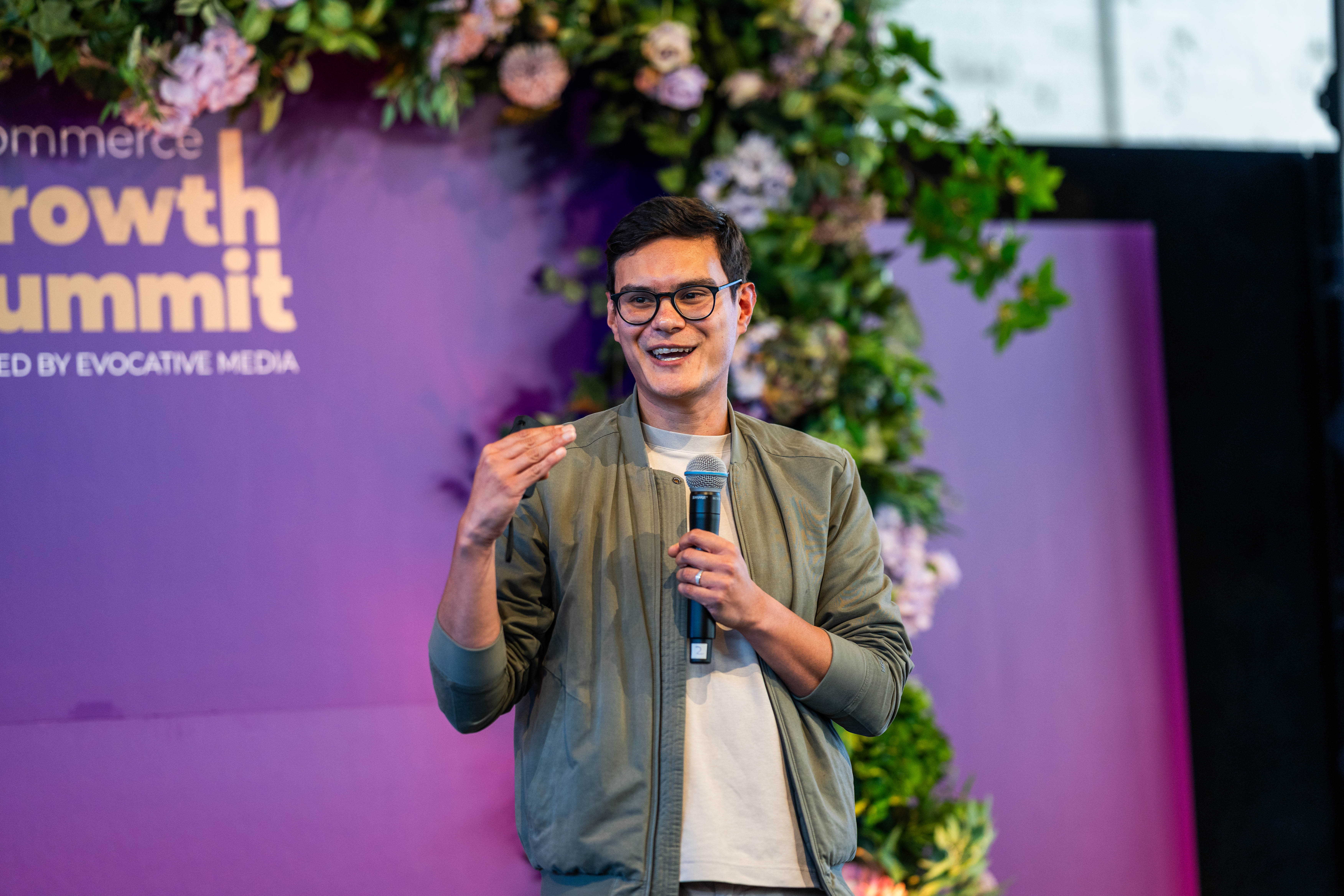
Chief of Staff at StudioHawk, Australia's largest dedicated SEO agency. Specialising in AI search visibility, technical SEO, and organic growth strategy — leading a team of 115+ across Melbourne, Sydney, London, and the US. Book a free consultation →