GPT-5 relies more heavily on real-time web retrieval than any previous OpenAI model. Its reasoning capabilities are powerful, but its knowledge is increasingly dependent on what it can find and cite from the live web. For SEOs, this is good news. The better AI models get, the more they need your content.
Why GPT-5 Is Different
Previous GPT models (3.5, 4, 4o) relied primarily on their training data. They could generate answers from memorised knowledge without needing to visit your website. Web search was an add-on, not the default.
GPT-5 inverts this. Its reasoning engine is designed to decompose complex queries into sub-questions, retrieve relevant web content for each, and synthesise answers with inline citations. The model explicitly relies on retrieval to ground its responses in current, verifiable information.
This means:
- More citations. GPT-5 links to sources more frequently than previous models
- More current information. Training data cutoffs matter less when the model actively searches
- More opportunities for your content. Every sub-question in a complex query is a potential citation slot
The Retrieval-First Architecture
GPT-5's architecture prioritises retrieval over memorisation for factual queries. When a user asks "What's the best ecommerce SEO strategy for Shopify stores in 2026?", the model doesn't rely on what it learned during training. It searches, retrieves current pages, evaluates their content, and cites the most relevant sources.
This is structurally similar to how SearchGPT operates, but integrated into the core model rather than a separate product. Every ChatGPT conversation is now a potential search session.
What This Means for SEO Strategy
Content Quality Matters More Than Ever
When an AI model is actively choosing which pages to cite, content quality becomes the primary differentiator. You're not just competing for a position on a results page. You're competing to be the source an AI system trusts enough to cite.
Recency Becomes Critical
Retrieval-first architecture means the model is pulling live content. Outdated pages get passed over in favour of current ones. Content freshness is no longer just a traditional SEO signal. It's an AI citation signal.
E-E-A-T Gets Amplified
GPT-5 evaluates source credibility as part of its retrieval process. Authoritative domains with clear expertise signals get cited more. This amplifies the importance of E-E-A-T beyond traditional search.
The Practical Opportunity
For every complex query a user asks GPT-5, the model needs to find and cite 3-10 sources. That's 3-10 citation slots per query. If your site covers a topic comprehensively with current, well-structured content, you can capture multiple citation slots in a single AI answer.
At StudioHawk, we're already seeing this in client data: sites with strong topical authority are appearing as cited sources in GPT-5 responses multiple times per answer.
Frequently Asked Questions
Does GPT-5 use Google search results?
GPT-5 uses its own web search infrastructure (Bing-based), not Google results. This means ranking #1 on Google doesn't automatically mean you'll be cited in ChatGPT. You need to be findable and citable across search engines.
Will AI models eventually stop needing web content?
The trend is going the opposite direction. More capable models rely more on retrieval, not less. As reasoning improves, models become better at identifying when they need external information, which increases web content dependency.
How do I track GPT-5 citations of my content?
Monitor chatgpt.com referral traffic in GA4. Also conduct regular citation audits by querying your target keywords in ChatGPT and checking if your site appears in the cited sources.
Soaring Above Search
Weekly AI search insights from the front line. One newsletter. Six sections. Everything that actually moved this week, with a practitioner's take.
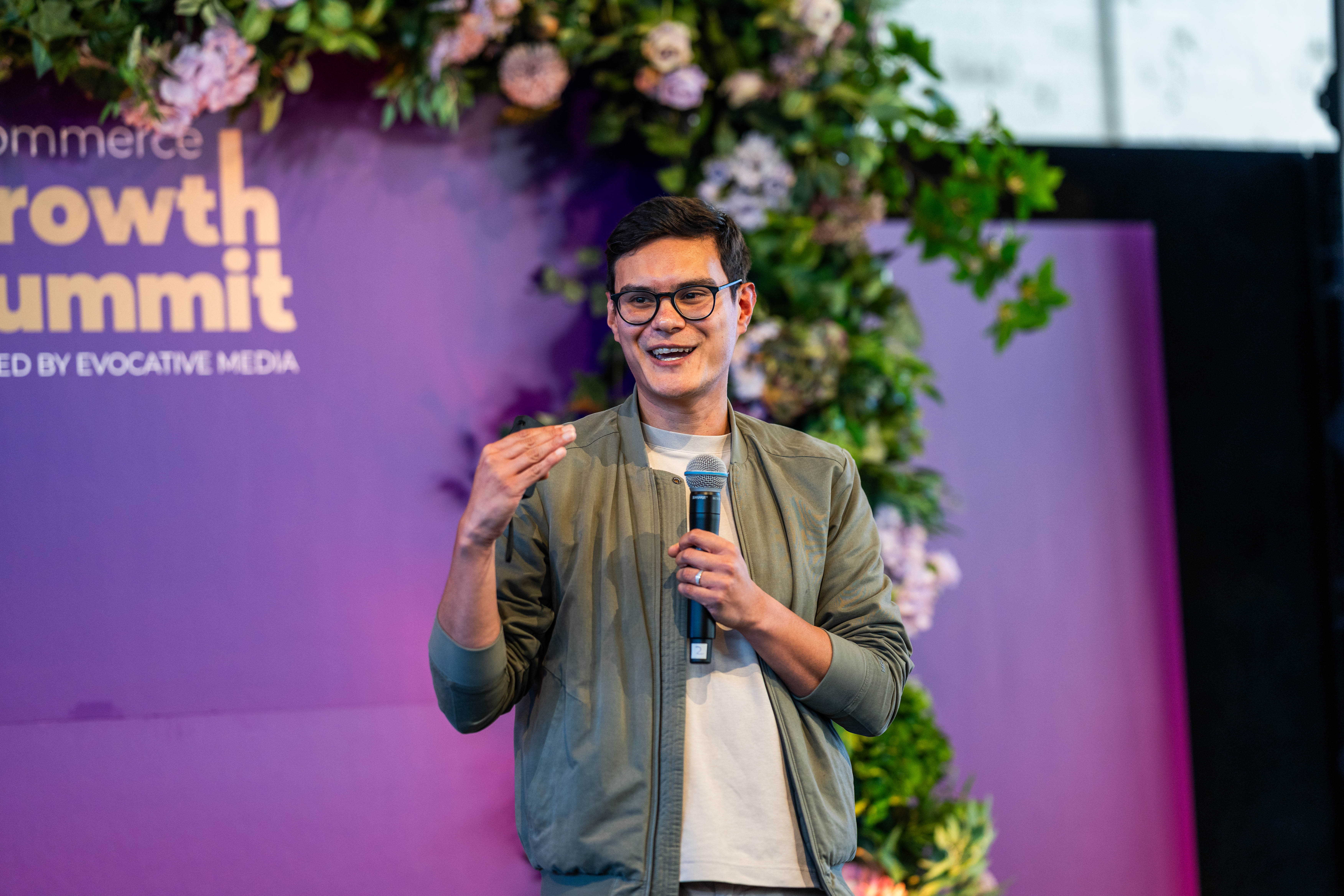
Chief of Staff at StudioHawk, Australia's largest dedicated SEO agency. Specialising in AI search visibility, technical SEO, and organic growth strategy. Leading a team of 115+ across Melbourne, Sydney, London, and the US. Book a free consultation →