The content that AI search engines choose to cite follows patterns that contradict most SEO assumptions. Knowledge Graph entities correlate negatively with citations. Price mentions suppress inclusion. And the single strongest predictor of getting cited is something most content strategies completely ignore: declarative introductory statements.
The Surprising Negative Signals
Testing across thousands of AI search queries reveals counterintuitive patterns:
Knowledge Graph Entities: Negative Correlation
Pages that rely heavily on well-known Knowledge Graph entities (major brands, famous people, established concepts) actually get cited less frequently in AI answers. Why? Because the AI system already has that information. It doesn't need to cite your page to reference Apple's market cap or Einstein's theory of relativity.
Pages that get cited provide information the AI system can't source from its training data alone. Proprietary data, recent statistics, specific case study results, practitioner insights.
Price and Commercial Intent: Suppression
Content with prominent pricing information gets cited less in AI search answers. Commercial pages with "Buy Now" and "$X/month" signals are filtered differently than informational content.
This doesn't mean ecommerce can't benefit from AI search. It means the content that gets cited is typically educational and informational, not transactional. Your buying guide gets cited. Your product page doesn't.
What Actually Gets Cited
Declarative Introductions
The single strongest positive signal: sections that open with a clear factual statement. Not a question. Not a hook. A statement that directly answers a potential query.
Compare:
- Weak: "Have you ever wondered how crawl budget works? In this section, we'll explore the fascinating world of..."
- Strong: "Crawl budget is the number of pages Googlebot will crawl on your site within a given timeframe. For sites with over 10,000 pages, managing crawl budget directly impacts indexation speed."
The second version gives the AI system a clean, citable claim in the first sentence.
Specific, Verifiable Data
Content with named studies, specific percentages, dated findings, and attributable claims gets cited at significantly higher rates than content with vague assertions.
In my work at StudioHawk across 2,000+ campaigns, I've consistently observed that pages with specific performance data (e.g., "60% organic traffic growth in 12 months for an enterprise retailer") get referenced in AI answers more than pages with generic advice.
Recency Signals
AI search engines show a preference for recently published or updated content. Dates matter. A "2026 Guide" gets cited over an undated article covering the same topic, even if the content is substantively identical.
How to Apply This
- Audit your introductions. Open every H2 section with a declarative statement, not a question or preamble
- Add proprietary data. AI systems can't get your unique data from training data alone. Your case study results, client metrics, and original research are citation magnets
- Date your content. Include publication and update dates. Reference the current year in your analysis
- Separate informational from commercial. Build your AI citation strategy around educational content, not product pages
- Remove filler. Every paragraph that doesn't contain a citable claim is diluting the ones that do
Frequently Asked Questions
Do backlinks help with AI search citations?
Indirectly. Backlinks build domain authority, which is a qualifying signal. But within qualified domains, citation rates are determined by content substance and structure, not link volume.
Can ecommerce sites get AI search citations?
Yes, through informational content. Buying guides, comparison articles, and educational resources from ecommerce brands get cited. Product listing pages typically don't.
How often should I update content for AI search?
AI systems favour fresh content. Quarterly updates to your key pages with new data, updated statistics, and current-year references maintain citation eligibility.
Soaring Above Search
Weekly AI search insights from the front line. One newsletter. Six sections. Everything that actually moved this week, with a practitioner's take.
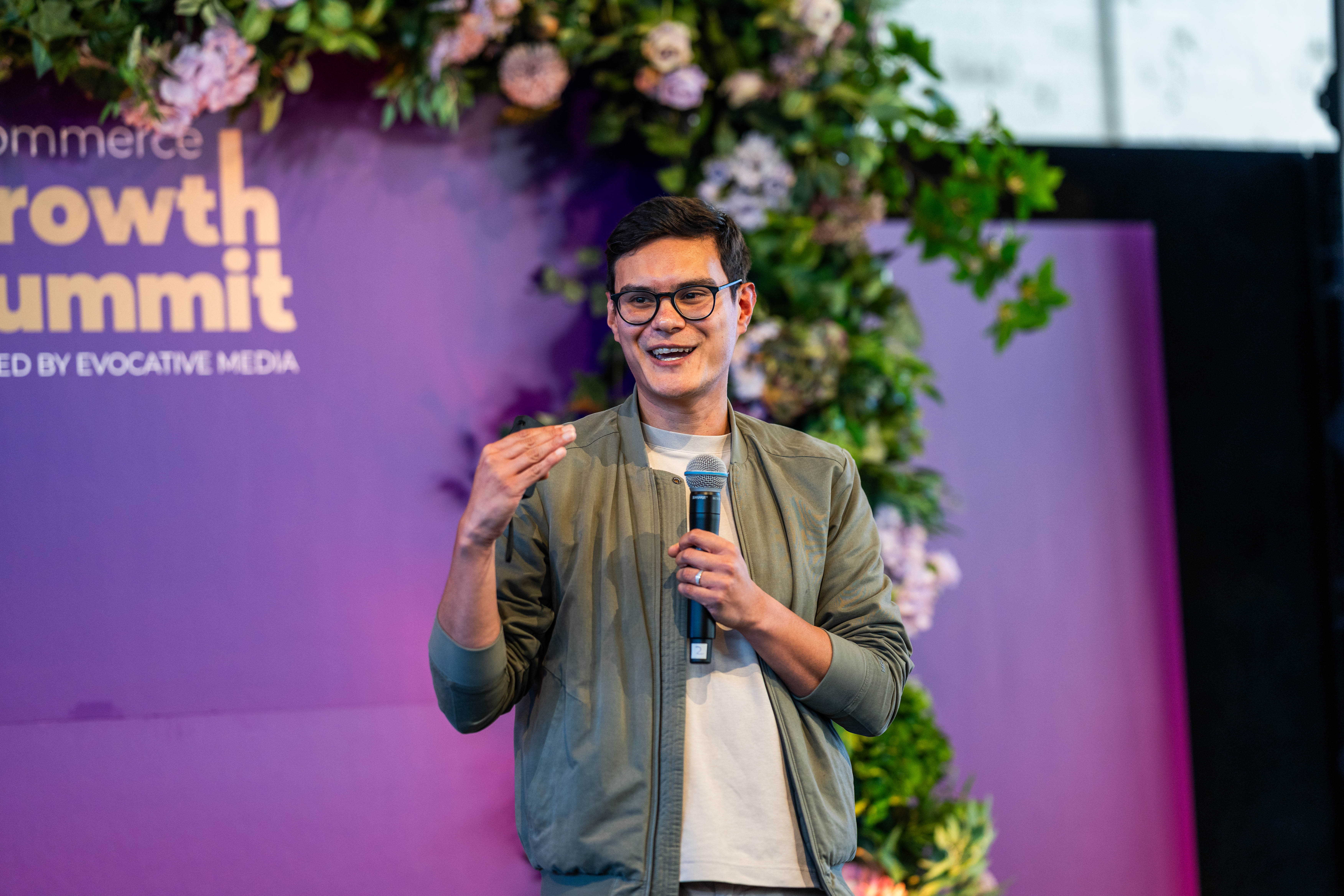
Chief of Staff at StudioHawk, Australia's largest dedicated SEO agency. Specialising in AI search visibility, technical SEO, and organic growth strategy. Leading a team of 115+ across Melbourne, Sydney, London, and the US. Book a free consultation →