SEO is the practice of getting your pages found in search by being relevant, trustworthy, and technically sound. The fundamentals break into four pillars: technical (can search engines crawl and index you), on-page (is each page optimised for its query), content (is it the best answer), and off-page (do other sites and signals trust you). In 2026, add a fifth: AI search, being citable by ChatGPT, Gemini and AI Overviews. This is the one-page starting reference.
New to SEO, or want the whole thing on one page? Start here. This covers the fundamentals, then links to the deeper cheatsheet for each piece. For the modern AI-search layer, see the AI SEO cheatsheet.
The pillars of SEO
Every SEO task fits into one of these. Get all of them roughly right before you optimise any one deeply.
| Pillar | What it covers | Go deeper |
|---|---|---|
| Technical SEO | Crawlability, indexing, site speed, mobile, structured data. Can search engines read your site. | Robots.txt, Schema |
| On-page SEO | Title tags, meta descriptions, headings, URLs, internal links. Optimising each page for its query. | Meta tags |
| Content and keywords | Keyword research, search intent, quality, and information gain. Being the best answer. | Search operators |
| Off-page SEO | Backlinks, digital PR, brand signals, and E-E-A-T. Whether other sites and people trust you. | Digital PR (cheatsheet coming) |
| AI search (2026) | Being crawlable, extractable and citable in AI answers. The newest pillar. | AI SEO cheatsheet |
The SEO fundamentals checklist
The essential moves, in rough priority order. Tick these before anything advanced.
| Move | Why it matters |
|---|---|
| Let search engines crawl and index you | A clean robots.txt and an XML sitemap. If they cannot read it, nothing else counts. |
| Match search intent | Serve the page type the query wants (informational, commercial, transactional). The single biggest on-page lever. |
| One clear title tag and H1 per page | Tell the engine and the reader what the page is about. Keep titles under about 60 characters. |
| Fast, mobile-friendly pages | Core Web Vitals and mobile usability. Page experience is a real signal. |
| Useful, original content | Answer the query better than the competition. Add information gain, not reworded consensus. |
| A clear site structure and internal links | Group related pages and link them. This spreads authority and helps crawling. |
| Earn relevant backlinks | Links from trusted, on-topic sites remain a core authority signal. |
| Structured data where it helps | Clean JSON-LD for articles, products, FAQs and your organisation. |
| Measure in Google Search Console | Track impressions, clicks, position and indexing. You cannot improve what you do not watch. |
| Be extractable for AI search | Answer-first sections and declarative claims so AI engines can cite you. |
What actually moves rankings
Hundreds of signals roll up into four forces. Strengthen all four.
| Force | In plain terms | How you build it |
|---|---|---|
| Relevance | Does the page answer the query | Intent-matched content, keywords used naturally, depth |
| Authority | Do others trust this site | Backlinks, brand mentions, consistent entity signals |
| Experience | Is it a good page to land on | Speed, mobile, clean layout, real expertise (E-E-A-T) |
| Technical health | Can it be crawled and indexed | Working robots.txt, sitemap, no index bloat, valid markup |
See the SEO cheatsheet hub grouped by topic.
Frequently asked questions
What is SEO in simple terms?
SEO (search engine optimisation) is the practice of improving your pages so they appear higher in search results and get cited in AI answers. You do it by being relevant to the query, trustworthy to other sites, and technically easy for search engines to crawl and index.
What are the main types of SEO?
Four pillars: technical SEO (crawling and indexing), on-page SEO (optimising each page), content and keyword SEO (being the best answer), and off-page SEO (links and trust). In 2026 a fifth pillar matters: AI search, being citable by ChatGPT, Gemini and AI Overviews.
What is the most important SEO fundamental?
Matching search intent. If your page does not answer what the searcher actually wants, no amount of technical work or link building will rank it for long. Get the right page type for the query first.
How long does SEO take to work?
Usually three to six months for meaningful movement on competitive terms, faster on low-competition or long-tail queries. SEO compounds: the work you do now keeps paying off, unlike paid ads that stop when the budget does.
Is SEO still worth it with AI search?
Yes. The same fundamentals that rank a page also get it cited in AI answers. AI search is the part of SEO that ChatGPT and AI Overviews make explicit, not a replacement for it. See the AI SEO cheatsheet.
Enjoying this? The 60-second versions live on Instagram.
Follow @lawrenceaiseo →Soaring Above Search
Weekly AI search insights from the front line. One newsletter. Six sections. Everything that actually moved this week, with a practitioner's take.
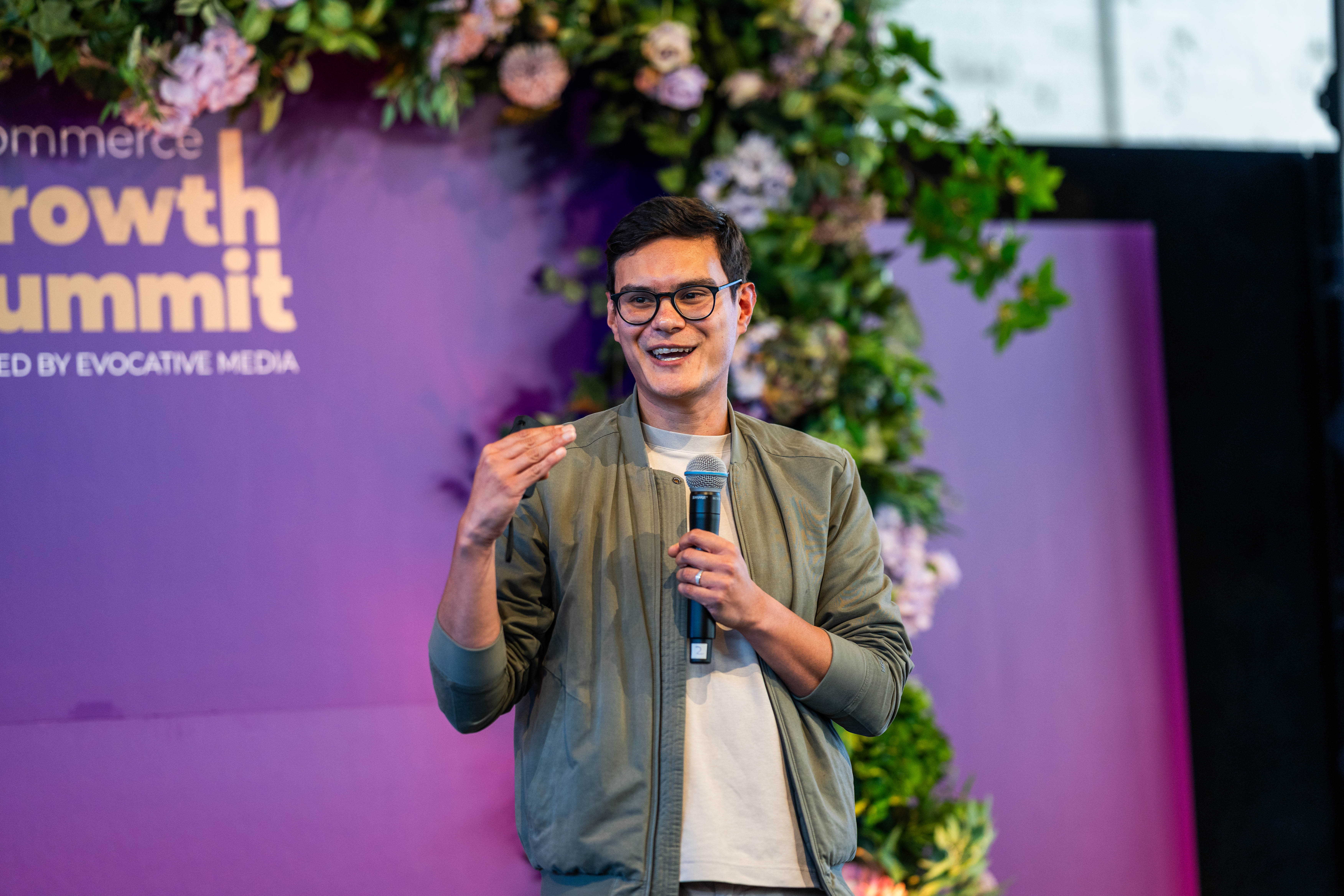
AI SEO consultant and AI search consultant helping brands appear in AI Overviews, AI Mode and ChatGPT. Chief of Staff at StudioHawk, Australia's largest dedicated SEO agency. Runs a measured three-channel playbook: Google, Bing and AI citations. Book a free consultation →