A LinkedIn topical map is your central B2B topic projected across LinkedIn, measured through LinkedIn's own analytics and how Google indexes your public posts, because LinkedIn is not one of the Search Console platform properties. This is the LinkedIn version of the social topical map framework I coined in July 2026, and it is the odd one out for a reason worth knowing.
Why is a LinkedIn topical map measured differently?
A LinkedIn topical map is measured differently because Google's Search Console platform properties cover Instagram, TikTok, X and YouTube only, not LinkedIn (see Google's announcement). So you cannot pull a Google query list for LinkedIn the way you can for the other three social platforms. Instead the LinkedIn map has two honest sources: LinkedIn's own post and article analytics, and how your public LinkedIn content ranks when Google indexes it. That gap is not a flaw in the method, it is the method being honest about what each platform actually exposes.
What makes a LinkedIn topical map different?
A LinkedIn topical map is built on professional, B2B intent. The audience is decision-makers, not consumers, and the winning formats are long-form: articles, newsletters and substantial posts that read and rank like blog content. Where a TikTok map chases discovery and an X map chases recency, the LinkedIn map chases authority with a buying audience. The pillars are the professional topics you want to be known for by the people who hire or buy.
How do you build a LinkedIn topical map?
You build a LinkedIn topical map from LinkedIn analytics plus Google indexing, then sort pillars into optimise, embed or produce. Optimise the posts and articles already earning reach and search visibility. Embed your best LinkedIn articles or newsletters on your site so the authority compounds. Produce long-form for the professional pillars you want to own. The Social Topical Map Generator maps the pillars you feed it (for LinkedIn, feed it your analytics export rather than a Search Console one), and the YouTube Video Search Result Optimizer handles any video you also post to YouTube.
The point of any topical map is the same: rank in traditional search and get surfaced in AI search. Multimodal content is a factor in AI answers, so a post that ranks is also a candidate to be cited.
What makes LinkedIn content perform?
LinkedIn content performs on the hook, dwell time and professional authority. The audience is buyers and decision-makers, so the moves that matter reward substance over reach-chasing.
- Hook in the first two lines. They sit above the "see more" cut and decide whether anyone reads on.
- Write long-form. Articles and newsletters read and rank like blog posts, and they are where LinkedIn authority compounds.
- Use the keywords your buyers search. Put them in the post and in your profile, which doubles as a search asset.
- Earn dwell time. LinkedIn rewards content people stop and read, not content people scroll past.
- Stay on one professional theme. Consistency on a pillar is what makes you known for it by the people who hire and buy.
Prediction: LinkedIn becomes a primary AI-citation source for B2B
Prediction: LinkedIn long-form will become a leading source AI assistants cite for B2B questions. This follows from AI-citation theory. LinkedIn sits outside Search Console platform properties, but it is heavily indexed and trusted for professional topics, exactly the content AI systems reach for on business queries. The measure will be brand mentions in AI answers, not clicks. This is a prediction, not a measured fact. A LinkedIn topical map is how you decide which authority topics to own before that citation surface hardens.
Frequently asked questions
Can I track LinkedIn in Search Console?
No. Search Console platform properties cover Instagram, TikTok, X and YouTube only. A LinkedIn topical map uses LinkedIn's own analytics and Google indexing of your public content instead.
What content wins on LinkedIn?
Long-form content wins on LinkedIn: articles, newsletters and substantial posts aimed at a professional, B2B audience. The topical map is built on the authority topics your buyers care about.
Soaring Above Search
Weekly AI search insights from the front line. One newsletter. Six sections. Everything that actually moved this week, with a practitioner's take.
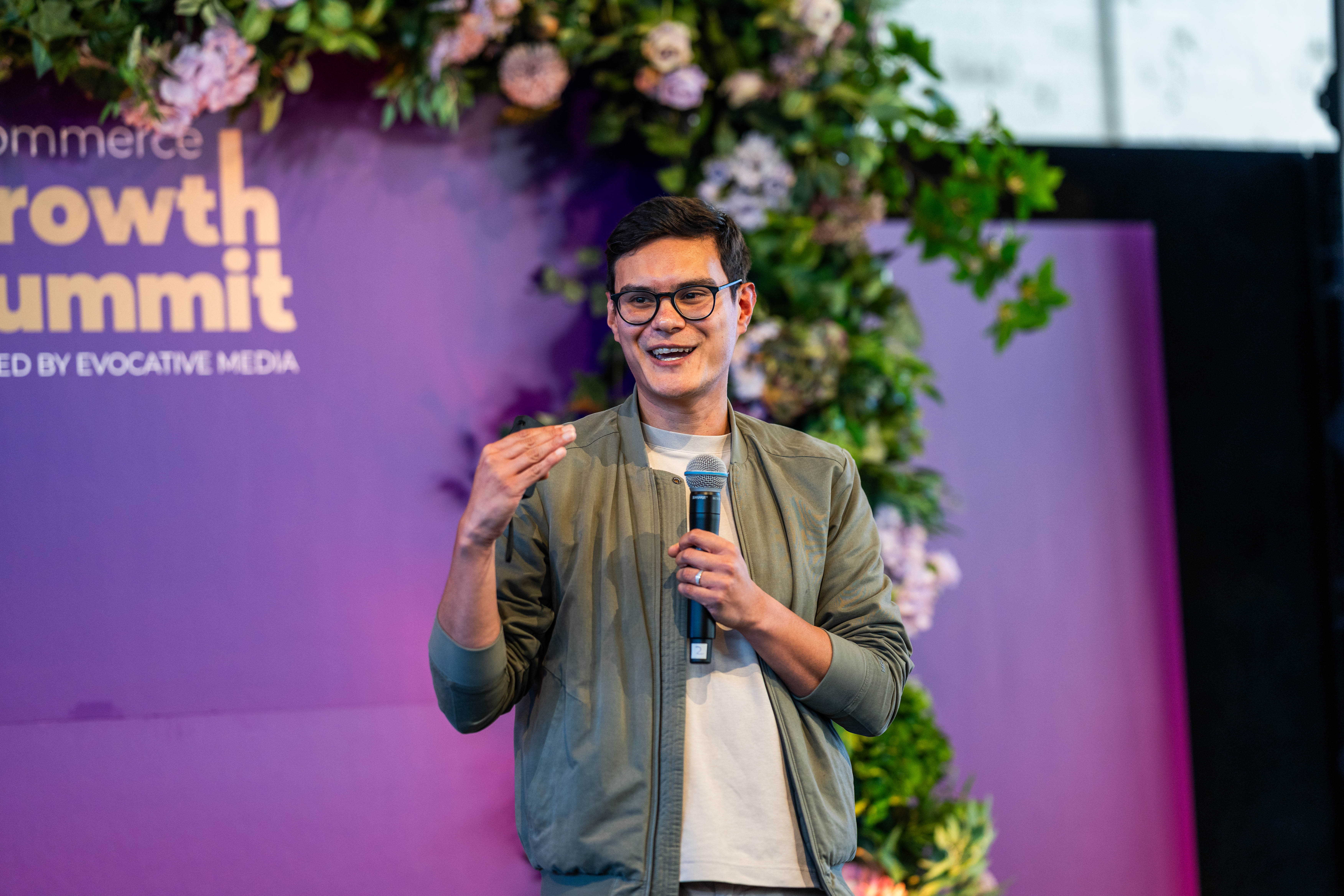
AI SEO consultant and AI search consultant helping brands appear in AI Overviews, AI Mode and ChatGPT. Chief of Staff at StudioHawk, Australia's largest dedicated SEO agency. Runs a measured three-channel playbook: Google, Bing and AI citations. Book a free consultation →