AEO and SEO are not rival strategies. AEO (answer engine optimisation) is the slice of SEO aimed at the answer surface: featured snippets, People Also Ask, voice results, and now AI-generated answers. SEO is the whole discipline. Anyone selling them to you as a fork in the road is selling a rebrand.
Here is the part the "just do both" articles skip. You do not split your effort 50/50. Which one you weight depends on what your results page actually looks like for the queries that matter to you. I will give you the decision rule, drawn from what I have measured across 2,000+ campaigns at StudioHawk and this site's own three traffic channels.
What is the difference between AEO and SEO?
The difference is scope. SEO optimises for the entire results page. AEO optimises for the answer box specifically: the snippet, the PAA accordion, the voice reply, the AI summary. Every AEO tactic is an SEO tactic. Not every SEO tactic is an AEO tactic. That is the whole relationship in one line.
| Dimension | SEO | AEO |
|---|---|---|
| Goal | Rank across the results page | Win the answer surface |
| Target | Blue-link positions | Snippets, PAA, voice, AI answers |
| Unit of value | The click | The citation or the read-aloud |
| Content shape | Comprehensive pages | Extractable, self-contained passages |
| Success metric | Position and clicks | Citation share, snippet ownership |
Read that table as one system, not two. AEO is a way of shaping SEO content so a machine can lift a clean answer out of it. You are still doing SEO. You are just making sure the best 50 words on the page can stand on their own when an answer engine grabs them.
What is answer engine optimisation (AEO)?
AEO is optimising content so an answer engine can extract a direct, correct answer from it. An answer engine is anything that returns a resolved answer instead of a list of links: a featured snippet, a voice assistant, a People Also Ask box, or an AI summary. AEO is the practice of being the source those surfaces pull from.
In practice that means leading each section with the answer, writing self-contained passages, using clear entities, and structuring content so the meaning survives being pulled out of context. If you have read anything here about AI SEO, this is the on-page half of it.
What is SEO, and how has it changed?
SEO is the practice of earning visibility in search, and its surface area just got wider. For twenty years SEO meant ranking blue links. It still does. But the results page now includes answer boxes and AI summaries that resolve the query before the links, which is exactly why AEO stopped being optional.
The mechanics that always mattered still matter most: relevant content, topical depth, technical health, authority. AEO does not replace any of that. It sits on top of a page that already deserves to rank and makes it easier to cite.
Where does GEO fit (SEO vs GEO vs AEO)?
GEO (generative engine optimisation) is AEO's newest and narrowest layer, aimed only at generative engines. AEO covers every answer surface including old ones like featured snippets and voice. GEO is the subset aimed specifically at ChatGPT, Claude, Perplexity, and Google AI Overviews. If AEO is the answer box, GEO is the AI answer box.
The acronyms map to where the answer appears, not to different jobs. SEO is the page. AEO is any answer surface. GEO is the generative ones. For the full two-way breakdown of the newest layer, see SEO vs GEO. The practical takeaway: you do not need three teams. You need one page built well enough to be lifted by all three.
Do you need AEO, SEO, or both?
You always need SEO. AEO is a weighting decision on top of it, and the weighting is set by your results page. Here is the rule I use. Pull the SERP for your top ten queries and look at what sits above the blue links.
- If AI Overviews and answer boxes dominate those SERPs, your clicks are already being capped. Weight AEO heavily, because ranking position five with an AI answer sitting on top of it earns a fraction of the click it used to.
- If the SERPs are still ten blue links with little answer-box presence, weight classic SEO. There is nothing for an answer engine to lift you into yet.
- If it is mixed, which is most commercial terms in 2026, build the page for ranking and shape the passages for extraction. Same page, both jobs.
I run this site across three channels that make the point concrete: Google clicks that are increasingly capped by AI Overviews, Bing as a cleaner click channel, and an AI-citation channel where the win is being quoted, not clicked. AEO is what feeds that third channel. If your category has an AI answer sitting on the query, AEO is not a nice-to-have.
How do you optimise for AEO and SEO at the same time?
You build one page that ranks and shape its passages so they can be extracted. There is no second workflow. The steps that serve both:
- Answer first, in every section. Lead each heading with a direct, self-contained answer, then add the detail. Humans scanning and machines extracting both want the bottom line up front.
- Write question-shaped headings. Match the way people actually ask, because that is the shape answer engines match against.
- Keep passages self-contained. The best 50 words should make sense with nothing else on the page for context.
- Be entity-clear. Name things precisely and consistently so the engine knows what you are talking about.
- Earn the authority underneath. None of this works on a page that does not deserve to rank. Snippets and citations come from pages that already have topical authority.
If you want this run properly across a site rather than a page, that is the job I do as an AI SEO consultant, and it starts with figuring out which of your queries have already been eaten by AI Overviews.
Frequently asked questions
Will AEO replace SEO?
No. AEO is part of SEO, so it cannot replace it. The answer surface got bigger, which made the answer-optimisation slice of SEO more important. The discipline underneath is the same one.
Is AEO just SEO rebranded?
Mostly, yes, and that is the honest answer few people give. The bulk of AEO is SEO you already know: relevance, structure, authority, clean passages. The genuinely new part is small, which is optimising for how generative engines extract and cite. Focus your learning there, not on the acronym.
Can one page rank for SEO and win the answer box?
Yes, and it should. A single well-built page can hold a blue-link position and own the featured snippet or AI citation above it. You do not build separate pages for each. You build one page that does both jobs.
What tools do you use for AEO?
The same SEO tools plus AI-answer tracking. You still need rank tracking and technical crawling. On top, you want to monitor which queries trigger AI answers and whether you are the cited source, because that is the visibility a classic rank tracker misses.
Soaring Above Search
Weekly AI search insights from the front line. One newsletter. Six sections. Everything that actually moved this week, with a practitioner's take.
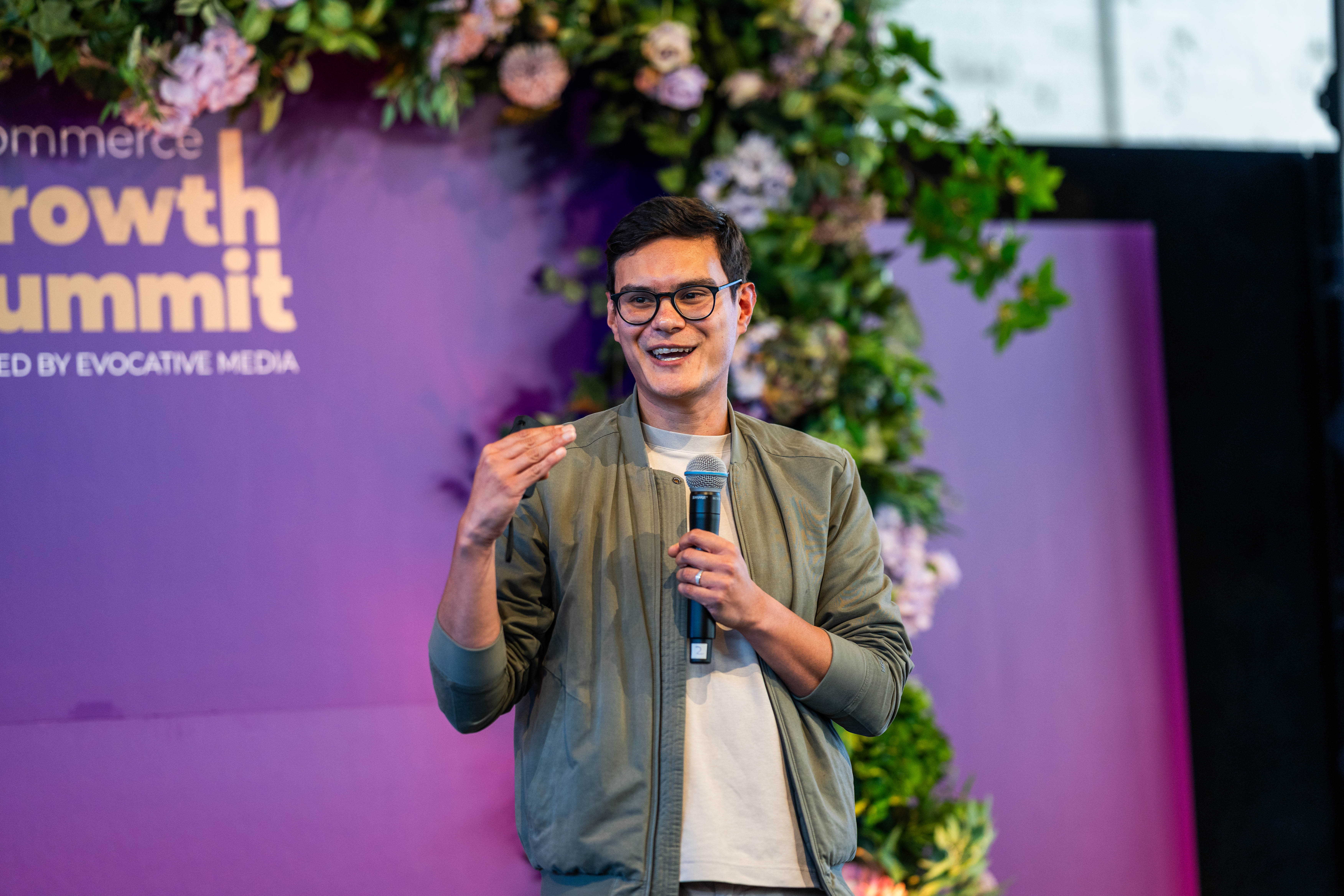
Chief of Staff at StudioHawk, Australia's largest dedicated SEO agency. Specialising in AI search visibility, technical SEO, and organic growth strategy. Leading a team of 120+ across Melbourne, Sydney, London, and the US. Book a free consultation →