Every AI search comparison on this site, in one place. Which engine should you optimise for, which one actually sends traffic, and which differences are real rather than rebrands: each page below answers one pairing with measured data, and this page carries the decision rule that ties them together.
The rule first, because it is the answer most people are looking for: optimise for the engine your buyers already use, measure all three channels, and never bet the brand on one surface. On this site that measurement splits into Google clicks, Bing clicks and AI citations, and the same page can post opposite results on each. The comparisons below exist because those verdicts keep surprising people.
The engine comparisons
| Comparison | The one-line verdict |
|---|---|
| Google vs Bing | Bing is smaller but now powers ChatGPT and Copilot, and on this site it out-delivers Google for clicks |
| Google vs Bing vs DuckDuckGo vs Yandex | The four indexes differ more than their result pages suggest; the differences decide AI answer sources |
| Gemini vs ChatGPT | ChatGPT sends the traffic today; Gemini inherits Google's rankings and is growing twice as fast |
| Perplexity vs ChatGPT | Different citation behaviour, different referrer mechanics, different playbooks |
| AI search engines vs traditional search | The structural differences that decide whether you get cited or just ranked |
| AEO vs SEO | Not rivals: AEO is the slice of SEO aimed at the answer surface, and the weighting is a per-query decision |
Why comparison pages earn their place
Comparison pages are decision pages, and decisions are where search intent is most commercial. They are also where this site has the most historical evidence: the versus format is the oldest winning pattern here, from the Google vs Bing pair that carries the site's biggest Bing click volume to the AEO vs SEO page that arrived to a couple of hundred impressions in its first week. When an engine can retrieve one trusted page that settles a whole comparison, it does; the job of each page above is to be that page for its pairing.
Which AI search engine should you optimise for?
Start from where your buyers ask questions, then work the levers in this order: classic Google SEO first (it feeds Google, Gemini, AI Mode and AI Overviews at once), Bing second (ten minutes of setup, and it feeds ChatGPT and Copilot), then per-engine extras only where a comparison above shows a real mechanical difference. The full method, with the measurement to prove which channel pays you, is the 5-step SEO strategy for AI search, and the AI search hub holds the deeper mechanics. If you would rather have the decision made with your own data, that is my AI SEO consulting.
Enjoying this? The 60-second versions live on Instagram.
Follow @lawrenceaiseo →Soaring Above Search
Weekly AI search insights from the front line. One newsletter. Six sections. Everything that actually moved this week, with a practitioner's take.
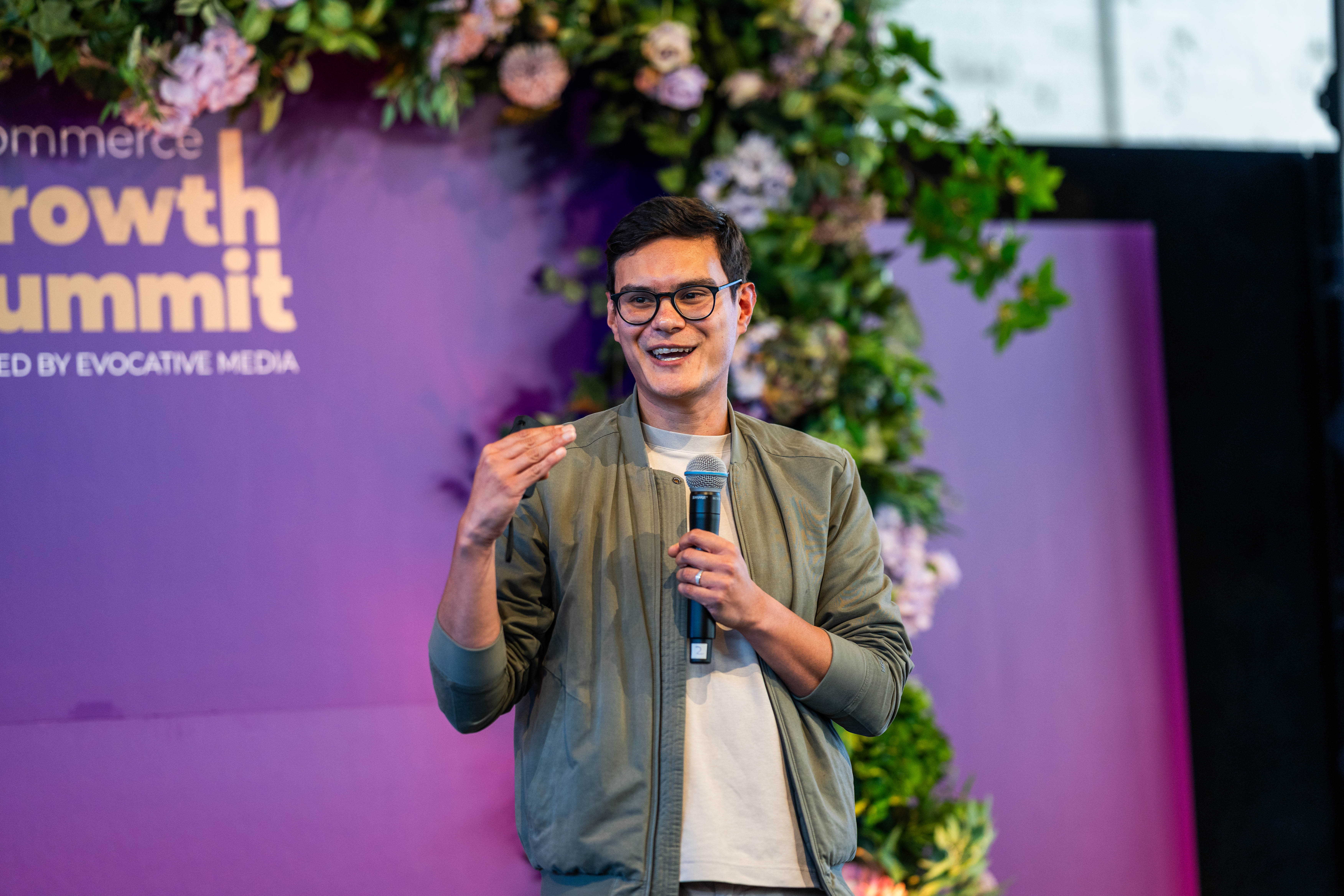
AI SEO consultant and AI search consultant helping brands appear in AI Overviews, AI Mode and ChatGPT. Chief of Staff at StudioHawk, Australia's largest dedicated SEO agency. Runs a measured three-channel playbook: Google, Bing and AI citations. Book a free consultation →