Claude Computer Use is Anthropic's agent capability that lets Claude take screenshots of a screen, move a cursor, click elements, and type text, the same actions a human would. For marketers and SEO teams, it's the most accessible AI agent right now: free with a Claude API account, requires no specialised infrastructure, and can be pointed at any website. The implications: client work that used to require manual auditing (competitor research, multi-site reviews, content gap analysis) becomes scriptable. Used well, it's a force multiplier; used badly, it's expensive theatre. This guide covers what Claude Computer Use actually does, the marketing and SEO workflows it unlocks, what it sees when it browses your website (the agent-UX angle from the marketer side), and the gotchas that catch first-time users.
What Claude Computer Use Actually Is
Claude Computer Use launched in beta in October 2024 (public release early 2025). It's an Anthropic-developed capability that gives Claude the ability to interact with a computer the way a human would: screenshot, mouse, keyboard, page navigation.
The architecture: you run Claude Computer Use in a sandboxed environment (typically a Docker container with a virtual display). Claude takes a screenshot, decides what to do next based on the visible UI and the task instructions, sends mouse/keyboard commands, takes another screenshot, repeats. The full loop is documented in Anthropic's official Computer Use documentation.
Critical to understand: Computer Use isn't a separate model. It's the same Claude that powers chat, with additional tool-use capabilities (computer, bash, text_editor tools) that let it interact with a virtual desktop.
What Claude Sees When It Browses Your Website
This is the marketer-side angle on the agent-UX article. When Claude Computer Use navigates to your site, it sees what a human visitor would see, plus the underlying DOM and accessibility tree.
Specifically, it processes:
- Screenshots of the rendered page, runs through Claude's vision capabilities to identify UI elements, layout, content hierarchy
- The page's HTML/DOM, parses the underlying structure, finds inputs, buttons, links
- The accessibility tree, the cleanest semantic representation of interactive elements
This is exactly the three-modality reading pattern Google documented in their agent-friendly websites guidance. Sites that score well on the agent-friendliness audit (use our interactive audit tool) are sites Claude Computer Use can navigate reliably.
Sites that don't, hover-only navs, div-buttons, ghost overlays, unlabeled forms, will cause Computer Use to misinterpret the page, click the wrong thing, or fail entirely. Worth noting because watching Computer Use struggle on a poorly-built site is the most visceral demonstration of the agent-UX problem.
The Marketing and SEO Workflows Computer Use Unlocks
1. Multi-Site Competitor Audits at Scale
Point Computer Use at 20 competitor sites with a structured audit prompt: "For each site, navigate to the about page, screenshot it, then check for these 10 schema markup types via View Source. Output a CSV." What used to be a 10-hour manual job becomes a 30-minute supervised run.
Real-world use: I've used this for ecommerce competitor research, batch-checking 50 product pages across 10 brands for things like Product schema completeness, image alt text patterns, and "Add to Cart" button positioning. Output goes straight into client decks.
2. Site-Wide Heading Audits
Computer Use can navigate every URL in a sitemap and report on H1 hierarchy, FAQ schema presence, missing meta descriptions, and other on-page SEO factors. More flexible than a Screaming Frog crawl because you can ask Claude to interpret context, not just count tags.
3. Form-Filling and Lead-Gen QA
Test that your contact forms, newsletter signups, and demo-request flows actually work end-to-end. Claude submits real test data, screenshots each step, reports any errors or breakdowns. Catches issues that automated form-filler tools miss because Claude can interpret error messages and unexpected modal dialogs.
4. AI Citation Monitoring (manual but scalable)
Open ChatGPT, Perplexity, Claude.ai, Gemini in browser tabs. Ask Computer Use to run the same 20 prompts in each, screenshot the responses, log which sources got cited. Painful to do manually; trivial when scripted with Computer Use. We use this monthly to track AI citation share for client brands across the major answer engines.
5. Workflow Recording and Documentation
Have Computer Use perform a multi-step process (e.g., "set up a Google Search Console property and link it to GA4") while screenshotting each step. Output becomes a fully-illustrated SOP without anyone manually creating screenshots.
6. Local SEO Listing Audits
Check that your business shows up correctly across Google Business Profile, Bing Places, Apple Maps, Yelp, and the local citation directories. Computer Use can navigate each, search for the business, screenshot the listing, and flag inconsistencies (NAP mismatches, missing photos, outdated hours).
The Gotchas That Catch First-Time Users
1. Token Cost
Computer Use is screenshot-heavy. Each screenshot is a vision input that consumes thousands of tokens. A 10-minute Computer Use session can cost $0.50-$2 in API charges. Across hundreds of sessions per month, real money. Optimise prompts to minimise unnecessary screenshots.
2. Slowness
Each step in a Computer Use loop is: screenshot, send to Claude, Claude decides next action, send back, execute. Even simple tasks take 30-60 seconds. Don't use Computer Use for tasks where speed matters; use it where the value is automation of work you wouldn't otherwise do.
3. CAPTCHA Walls
Computer Use will get caught by reCAPTCHA, Cloudflare bot detection, and other anti-bot systems. For sites you control or have permission to audit, this is fine. For competitor research at scale, you'll need to budget for occasional manual interventions when blocked.
4. Authentication Flows
Logging in to a site through Computer Use is technically possible but operationally messy. For client work, it's almost always better to provide Claude with read-only access tokens or pre-authenticated session cookies than to have it navigate login forms.
5. Multi-Tab Confusion
Claude can manage multiple browser tabs but loses context between them more easily than a human would. For multi-site workflows, design the prompt to handle one site at a time, output the data, then move to the next. Don't try to keep all tabs open and reference back.
6. Hallucinated Click Targets
Occasionally Claude will think it clicked a button that doesn't exist or isn't where it expected. Always verify outputs, especially for transactional workflows. Computer Use is a tool, not autopilot.
How to Get Started (Practical Steps)
- Get an Anthropic API key, claude.ai/console
- Use the official Computer Use Docker image, simplest setup, isolated sandbox, doesn't touch your real machine. Documentation links are at the Anthropic Computer Use docs page above.
- Start with a low-stakes task, audit your own homepage, check your own sitemap, test your own contact form. Build intuition for what Computer Use does well and where it struggles.
- Move to client/research workflows, only after you've burned a few sessions on personal tasks. The tool's quirks are best learned with low stakes.
- Build prompt templates, the same workflow run with a refined prompt across 50 sites is far cheaper and more reliable than a free-form prompt run 50 times.
Computer Use vs Other Agent Tools (2026)
| Tool | Best for | Cost model |
|---|---|---|
| Claude Computer Use | Open-ended audits, multi-site workflows, anything requiring vision + DOM understanding | API tokens (pay per call) |
| OpenAI Operator | Transactional workflows (booking, purchasing). Tighter integration with consumer ChatGPT. | Pro/Plus subscription tier |
| Microsoft Copilot Vision | Microsoft 365 / enterprise contexts. Deeper integration with Office tools. | Microsoft 365 enterprise license |
| Google Gemini agents (in development) | Google ecosystem (Workspace, Search, Chrome). Limited public access early 2026. | TBD; likely subscription |
| Browser automation (Playwright, Puppeteer) | Deterministic flows you can fully script. Faster, cheaper, but no AI judgment. | Free (compute only) |
Practical: for marketing and SEO workflows that need AI judgment (interpret screenshots, decide next step, handle unexpected pages), Computer Use is the right choice in 2026. For repeatable scripted flows, traditional browser automation is faster and cheaper.
What This Means for SEO and AI Search Strategy
Two implications:
- Your site needs to be agent-friendly because agents like Computer Use are how marketers will increasingly audit, research, and benchmark. Sites that confuse Computer Use will look worse in competitor reports run by other agencies. Use the agent-friendliness audit tool to spot the gaps.
- Your own marketing workflows benefit from Computer Use right now. Citation monitoring, multi-site audits, lead-gen QA, local listing audits, all use cases that were previously too manual to do at scale.
The pattern: agentic tools are simultaneously a thing your site needs to handle (visitors using agents on your site) and a thing you can use (running agents against other sites). Both directions matter for SEO in 2026.
Want to run this without the manual work? The free Claude skills for SEO the StudioHawk team uses on live client work package it up inside Claude Desktop.
FAQ: Claude Computer Use for Marketers
What is Claude Computer Use?
Claude Computer Use is Anthropic's agent capability that lets Claude take screenshots, move a cursor, click elements, and type text on a virtual computer. Launched in beta October 2024, public release early 2025. The same Claude model with additional tool capabilities (computer, bash, text_editor) that let it interact with a virtual desktop.
How much does Claude Computer Use cost?
Token-based via the Anthropic API. Computer Use is screenshot-heavy (each screenshot consumes thousands of vision tokens), so a 10-minute session typically costs $0.50-$2 USD. At scale, hundreds of sessions per month adds up to real money. Optimise prompts to minimise unnecessary screenshots and you can get the per-task cost down significantly.
What can marketers actually use Claude Computer Use for?
The high-leverage marketing and SEO workflows: multi-site competitor audits, site-wide heading and schema audits, form-filling and lead-gen QA, AI citation monitoring across ChatGPT/Perplexity/Claude/Gemini, workflow documentation and SOP creation, local SEO listing audits across Google Business Profile/Bing Places/Apple Maps/Yelp. Anything that combines vision interpretation with judgment is a fit.
How is Claude Computer Use different from OpenAI Operator?
Both are agent capabilities that interact with web browsers. Computer Use is API-first, billed per token, best for open-ended audits and research workflows. OpenAI Operator is Pro/Plus subscription-tier, more consumer-oriented, tighter integration with ChatGPT, optimised for transactional flows (booking, purchasing). For marketing/SEO research, Computer Use is typically the better fit.
Does Computer Use work on every website?
Mostly yes, with caveats. CAPTCHAs (reCAPTCHA, Cloudflare bot detection), aggressive anti-bot systems, and complex authentication flows can block it. Sites that score poorly on agent-friendliness audits (hover-only navs, div-buttons, ghost overlays, unlabeled forms) will cause Computer Use to misinterpret the page. Run the agent-friendliness audit on your own site to predict whether Computer Use can navigate it reliably.
Is Computer Use safe to run on production sites?
For sites you own or have explicit permission to audit, yes. For competitor research at scale, respect robots.txt, throttle requests sensibly, and don't attempt actions that would create accounts or submit real transactions. Anthropic's documentation includes safety guidance worth reading before running at scale.
How do I get started with Claude Computer Use?
Get an Anthropic API key (claude.ai/console), use the official Computer Use Docker image (linked from the Anthropic Computer Use documentation), start with a low-stakes task on a site you own, build prompt templates for the workflows you'll repeat. Budget a few sessions on personal/test workflows before running anything client-facing.
Sources & Further Reading
- Anthropic: Claude Computer Use documentation
- Anthropic announcement: Computer Use launch (Oct 2024)
- Anthropic Computer Use quickstart (GitHub)
Keep Reading
Enjoying this? The 60-second versions live on Instagram.
Follow @lawrenceaiseo →Soaring Above Search
Weekly AI search insights from the front line. One newsletter. Six sections. Everything that actually moved this week, with a practitioner's take.
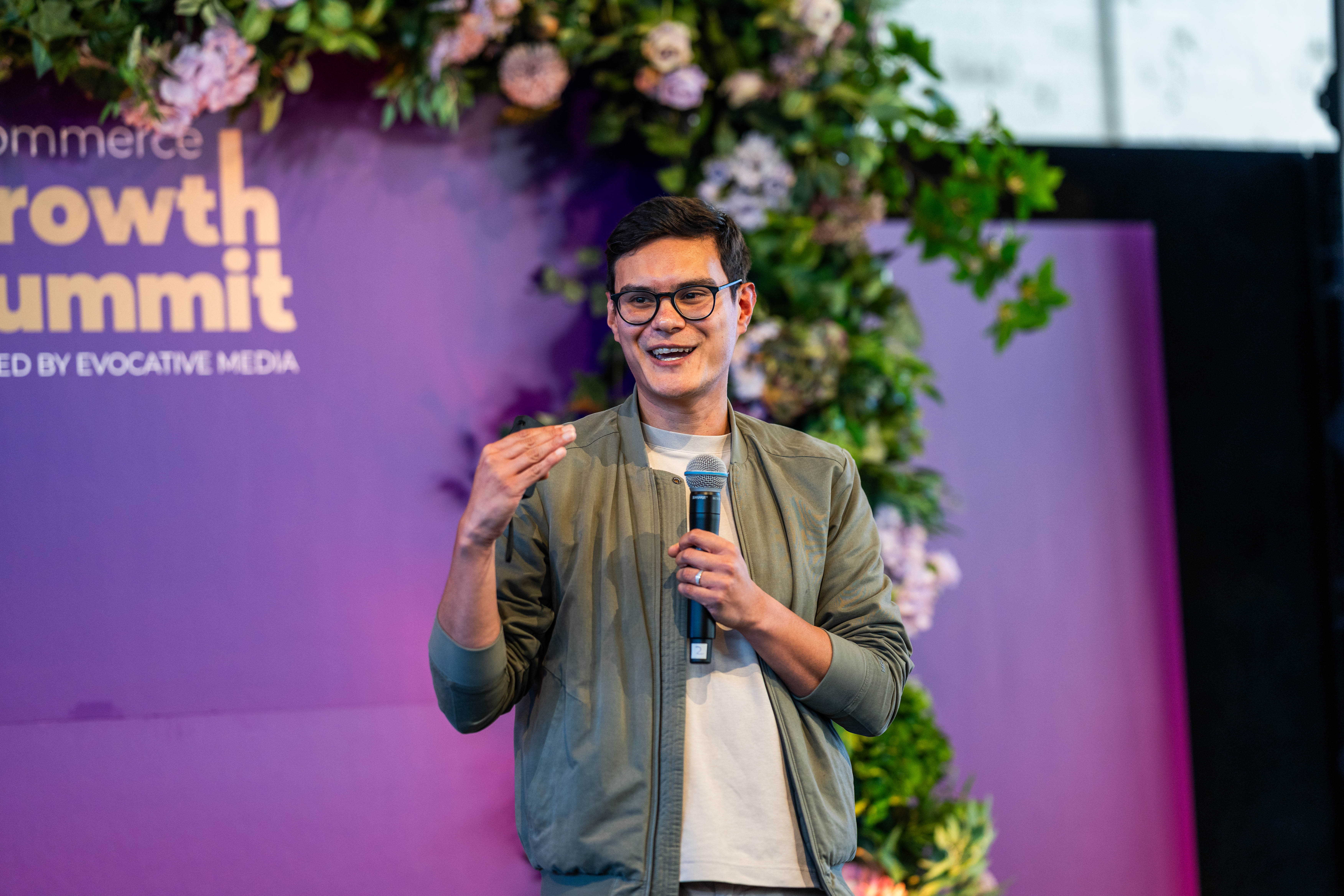
AI SEO consultant and AI search consultant helping brands appear in AI Overviews, AI Mode and ChatGPT. Chief of Staff at StudioHawk, Australia's largest dedicated SEO agency. Runs a measured three-channel playbook: Google, Bing and AI citations. Book a free consultation →