Query fan-out is how AI search answers a question: instead of running your one query, the engine fires a network of background sub-queries, then grounds its answer in whatever sources cover them. To win it, do not chase each sub-query with a separate thin page. Answer the whole fan-out on one comprehensive, extractable page, then measure grounding (AI bot crawls), not rankings.
Every SEO has now heard the phrase "query fan-out". Most of the advice stops at "cover the sub-queries". That is half the story, and the half that gets you a fragmented site of thin pages. Here is the other half, built on what I actually see in my own AI bot logs.
What query fan-out actually is
When you ask Google AI Mode or ChatGPT a question, it does not just search your words. It expands your query into a fan of related background searches, runs them, and synthesises one answer from the results. Appear across more of those sub-queries and you have more chances to be cited.
So the unit of competition is no longer the single keyword. It is the network of questions hiding behind it. See the AI search engines cheatsheet for which engine grounds in which index.
Fan-out is discovery. Grounding is whether you get used.
This is the distinction the generic advice misses. Fan-out is how an AI discovers candidate sources. Grounding is whether it actually lifts your words into the answer. You can be surfaced by the fan-out and never get grounded, because your page buried the answer in paragraph eight.
In my own data, AI bots account for a large slice of all traffic, and they consume far more than they refer. The scrape-to-referral ratio runs roughly 46 to 1, and AI referral traffic is about 0.03%. If you measure fan-out success by clicks, it will look like nothing is working while you are being ingested and cited at scale. Measure citations, not clicks.
Win the fan-out with one page, not fifty
Here is the contrarian bit. The instinct is to build one page per sub-query. Do not. That is scaled-content abuse by Google’s own definition, and it does not even win the citations.
Across my reference pages, citations did not spread evenly. One page won 276 of 287 total citations because it owned a single high-demand query and answered the whole cluster around it on one page. Page count does not scale citations. Query ownership does. A comprehensive page that answers the full augmented query network beats fifty fragments every time, because the AI grounds in the source that covers the most of the fan-out in one place.
How to optimise for query fan-out
The practitioner process I run. Four steps, one page as the output.
| Step | What you do |
|---|---|
| 1. Discover | Pull the fan-out for a query you already rank for. Use Bing Webmaster Tools, the GSC query report, and a query-fanout generator. Expect 100 to 300 raw sub-queries. |
| 2. Consolidate | Cluster the raw list into 20 to 25 real sub-topics. Drop duplicates and off-topic noise. These become the questions your page must answer. |
| 3. Answer on one page | Write one comprehensive page. Each sub-topic gets its own heading and an answer-first, self-contained 50-word chunk an AI can lift verbatim. Tables for anything that is a set or comparison. |
| 4. Measure grounding | Watch AI bot behaviour per URL, not rankings. The signal is the shift from crawl to live grounding (next section). |
This is why the dense, table-first reference format works so well for fan-out: every sub-query gets a clean, extractable answer in one place. See how to measure AI search traffic and the AI SEO metrics cheatsheet for the tracking side.
How to tell if it is working
Verified AI bots come in two useful flavours. AI Crawler bots (like GPTBot) ingest your page into the index. AI Assistant bots are the live fetch a model makes while answering a real user. That difference is a funnel.
- A new page is AI Crawler dominant: it is being ingested, not cited yet.
- A grounded page is AI Assistant dominant: it is being pulled live to answer questions.
- The flip from Crawler to Assistant is the moment your fan-out work converts from indexed to cited.
Pull verified bot requests per URL by category from your CDN logs and watch that ratio. It moves in days, weeks before referral traffic shows anything. That is your real fan-out scoreboard.
The levers that make a page extractable are in the AEO cheatsheet.
Frequently asked questions
What is query fan-out in AI search?
Query fan-out is when an AI search engine expands your single query into a network of related background sub-queries, runs them, and synthesises one answer from the combined results. Being cited across those sub-queries is how you appear in the answer.
How do I optimise for query fan-out?
Discover the sub-queries (Bing Webmaster Tools, GSC, a query-fanout tool), consolidate them into 20 to 25 real sub-topics, and answer the whole set on one comprehensive page with answer-first, extractable chunks. Then measure AI bot grounding, not rankings.
Should I build one page per fan-out query?
No. One page per sub-query is fragmentation and counts as scaled content abuse. A single comprehensive page that answers the full augmented query network earns more citations, because AI grounds in the source that covers the most of the fan-out in one place.
Is query fan-out the same as related searches?
It is similar but not the same. Related searches are surfaced to humans. Fan-out sub-queries run in the background to assemble an AI answer, and they demand a direct, extractable answer rather than just topical relevance.
How do I know if my fan-out optimisation is working?
Track the AI Crawler to AI Assistant ratio per URL in your server logs. A page that shifts from crawler-dominant to assistant-dominant is being cited live. That signal moves weeks before AI referral traffic does.
Enjoying this? The 60-second versions live on Instagram.
Follow @lawrenceaiseo →Soaring Above Search
Weekly AI search insights from the front line. One newsletter. Six sections. Everything that actually moved this week, with a practitioner's take.
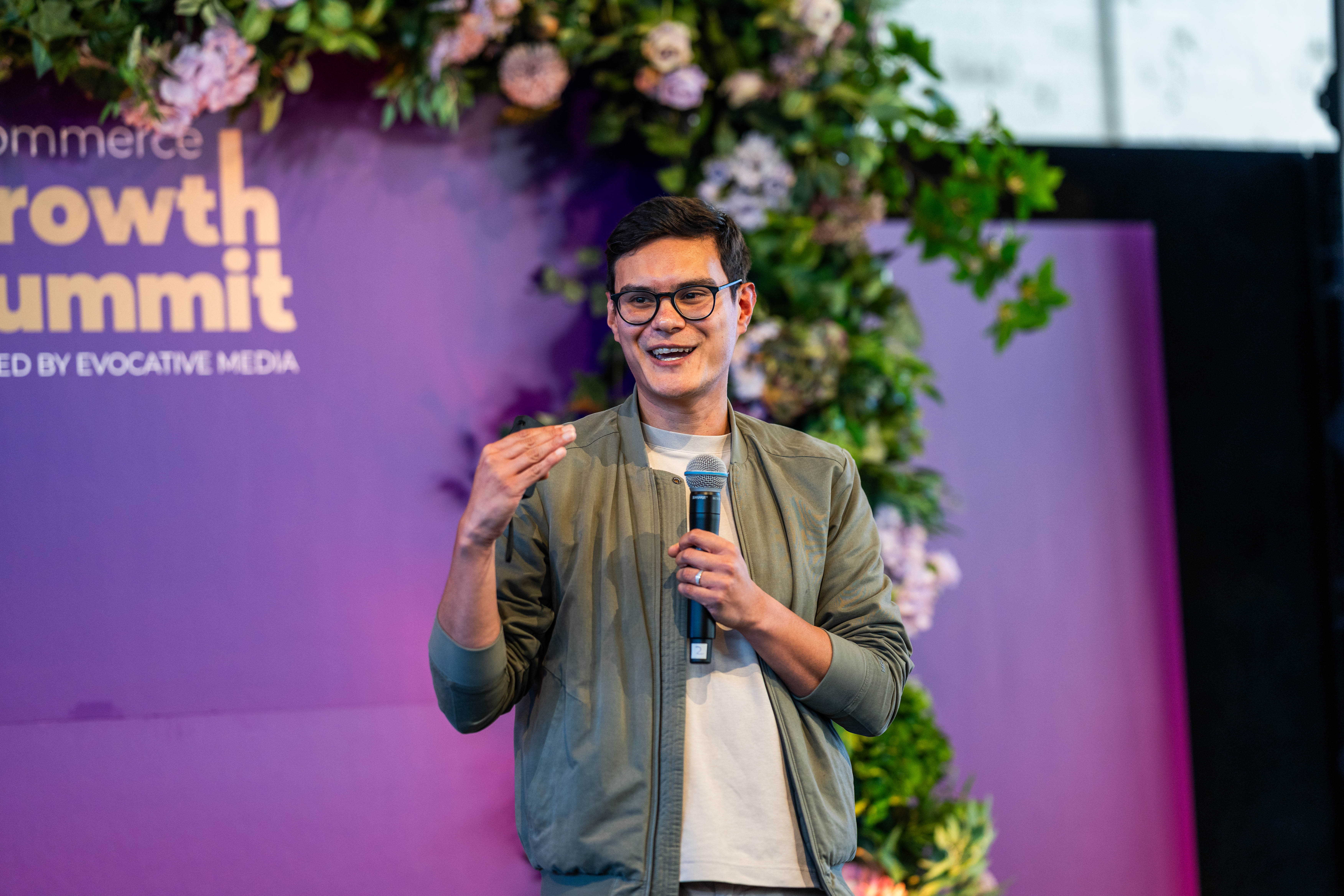
AI SEO consultant and AI search consultant helping brands appear in AI Overviews, AI Mode and ChatGPT. Chief of Staff at StudioHawk, Australia's largest dedicated SEO agency. Runs a measured three-channel playbook: Google, Bing and AI citations. Book a free consultation →