Most "who to follow" lists are written by US agencies listing US practitioners. My filter is simpler: are they actively publishing original data, not just commentary on other people's research? That cut removed about half the names I considered.
This list was last reviewed in May 2026. One Australian voice is included: mine. The APAC perspective on AI search is underrepresented and the data I'm seeing here differs materially from US benchmarks.
At a Glance
| Name | Known For | Best Platform |
|---|---|---|
| Aleyda Solis | AI Overviews data, international SEO | LinkedIn + SEOFOMO newsletter |
| Lily Ray | Algorithm updates, E-E-A-T and content quality | LinkedIn + X |
| Kevin Indig | Citation patterns, systems thinking | Growth Memo newsletter |
| Cyrus Shepard | Correlation studies, ranking factor analysis | LinkedIn + X |
| Jason Barnard | Entity authority, brand SERP testing | LinkedIn + Kalicube newsletter |
| Britney Muller | NLP research, structured data and LLM mechanics | |
| Wil Reynolds | AI search measurement, brand citation testing | LinkedIn + Seer blog |
| Dixon Jones | Entity graphs, EntityMap standard | LinkedIn + X |
| Steve Toth | Emerging tactics, early signal detection | SEO Notebook newsletter |
| Harry Sanders | StudioHawk founder, AI search adoption, agency-side practitioner | |
| Lawrence Hitches | APAC AI search data, GEO measurement | lawrencehitches.com newsletter |
AI Search and Generative Engine Optimisation
Aleyda Solis
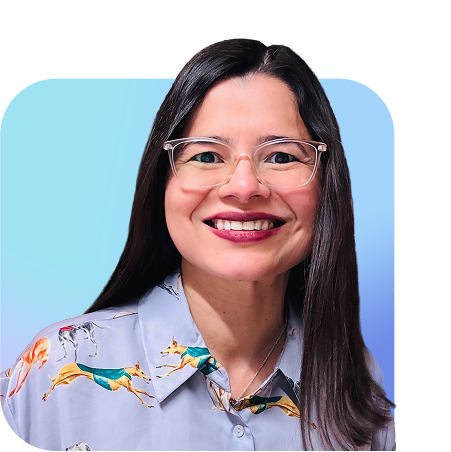
The most rigorous practitioner publishing structured analysis on AI Overviews behaviour. When Google changes something in AI search, Aleyda is usually among the first to publish data on what actually shifted, not just speculation about what might have shifted.
She runs the SEOFOMO newsletter, which is the best weekly aggregation of what is new across AI search, international SEO, and generative engine optimization. If you only follow one person for the Google AI side, it is her.
Follow: LinkedIn, SEOFOMO newsletter.
Lily Ray

The go-to authority on E-E-A-T, content quality signals, and how Google's AI Overviews reward and penalise sites. Lily tracks 220+ sites through algorithm updates and publishes findings on content quality patterns.
Her work holds up in AI search as well as traditional Google, which is rarer than it sounds. Most content quality frameworks break when you apply them to AI-generated answers. Hers do not.
Follow: LinkedIn, @lilyraynyc.
Kevin Indig
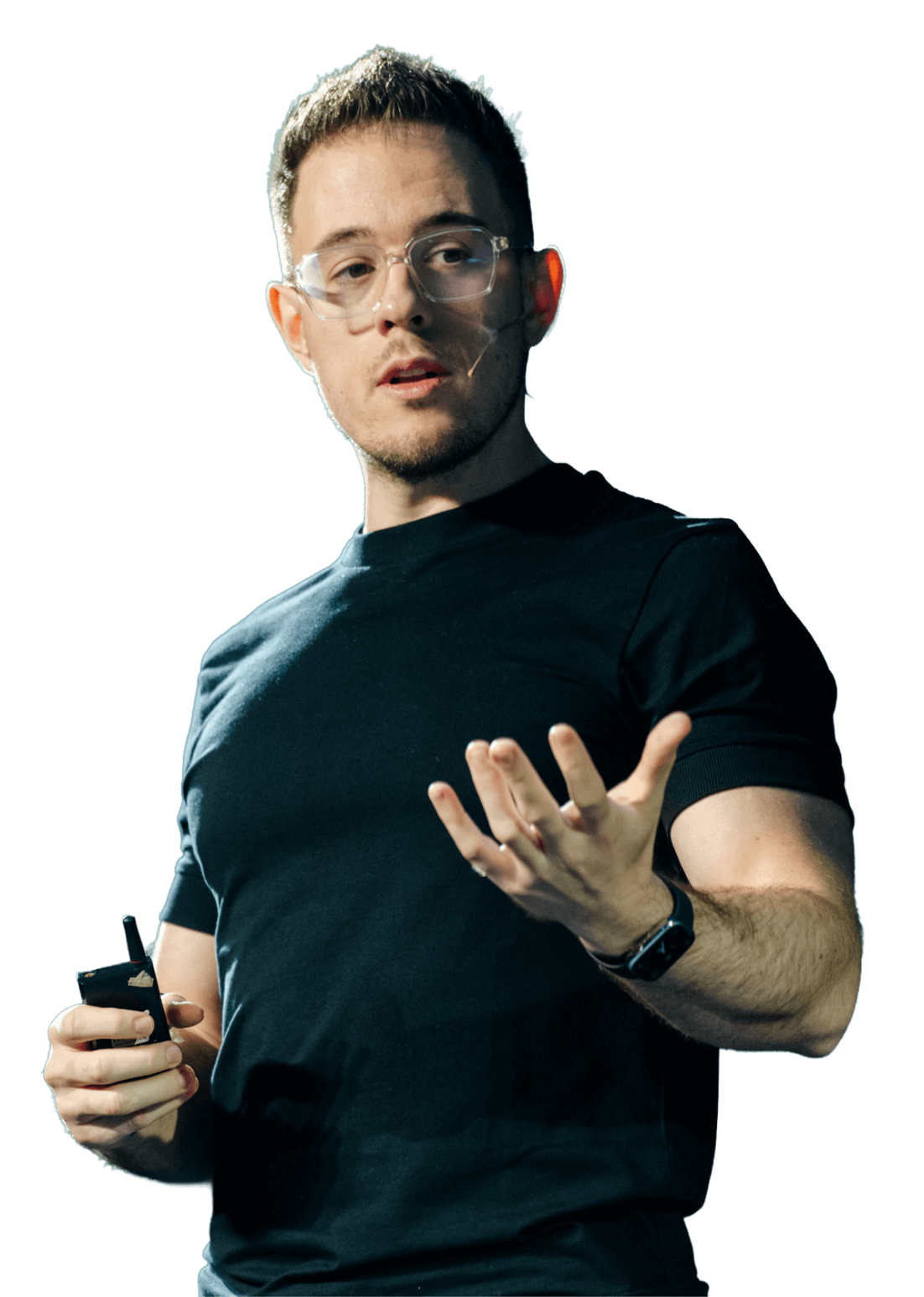
Growth Memo is the best newsletter in AI search. Kevin publishes deep research on citation patterns, how AI systems select sources, and what the data actually shows versus what people claim. Less hot takes, more analysis you can act on.
His systems thinking approach, looking at AI search as an interconnected set of signals rather than isolated tactics, is the framing that moves practitioner thinking forward.
Follow: growth-memo.com, @kevin_indig.
Cyrus Shepard

Correlation studies and ranking factor analysis. Cyrus does the empirical work most people skip. He runs studies across large datasets to see what actually correlates with AI visibility rather than theorising about it.
When he publishes a study on what AI Overviews sources have in common, it is based on data, not pattern matching from a handful of examples.
Follow: LinkedIn, @CyrusShepard.
Lawrence Hitches
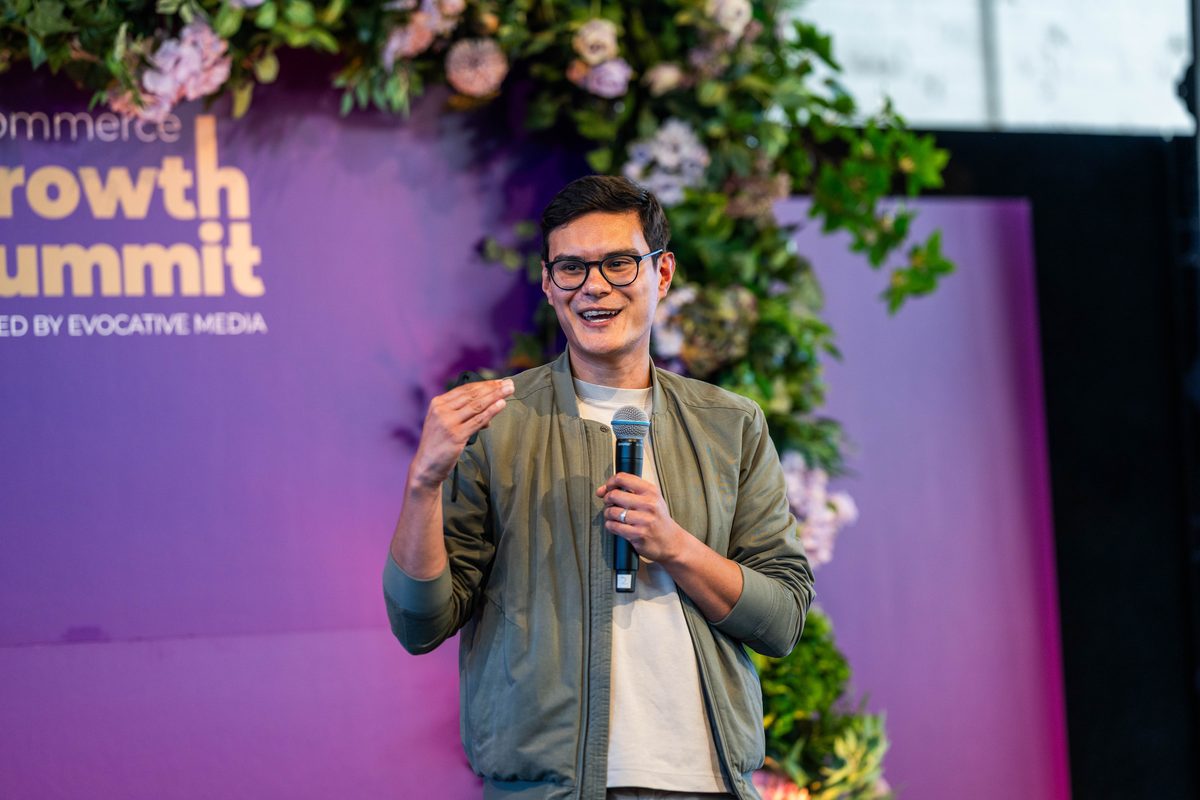
That is me. I'm building out AI search visibility research at lawrencehitches.com, publishing findings from the StudioHawk 100-brand ecommerce dataset (340,000 AI-referred sessions, $690K tracked revenue). I run live tests on signals like the AI Instructions page and EntityMap, and I contribute monthly to Search Engine Land. The Soaring Above Search newsletter goes out fortnightly on AI citation mechanics, APAC-specific data, and what I'm testing on this site.
Follow: lawrencehitches.com, @lawrencehitches, LinkedIn.
I'm including myself here because every competing list is written by someone who also included themselves. I'd rather be transparent about it than pretend I wasn't tempted.
Harry Sanders
Founder of StudioHawk, Australia's most-awarded SEO agency. Harry built StudioHawk from a solo operation into a 120-person global agency across Melbourne, Sydney, London, and the US, and has been publishing on AI search adoption since AI Overviews launched.
His value for AI SEO practitioners is the agency-side view of how enterprise brands are actually responding to AI search changes, not how practitioners think they should respond. That gap is larger than most people realise.
Follow: LinkedIn, StudioHawk blog.
ChatGPT and LLM Citation
Wil Reynolds
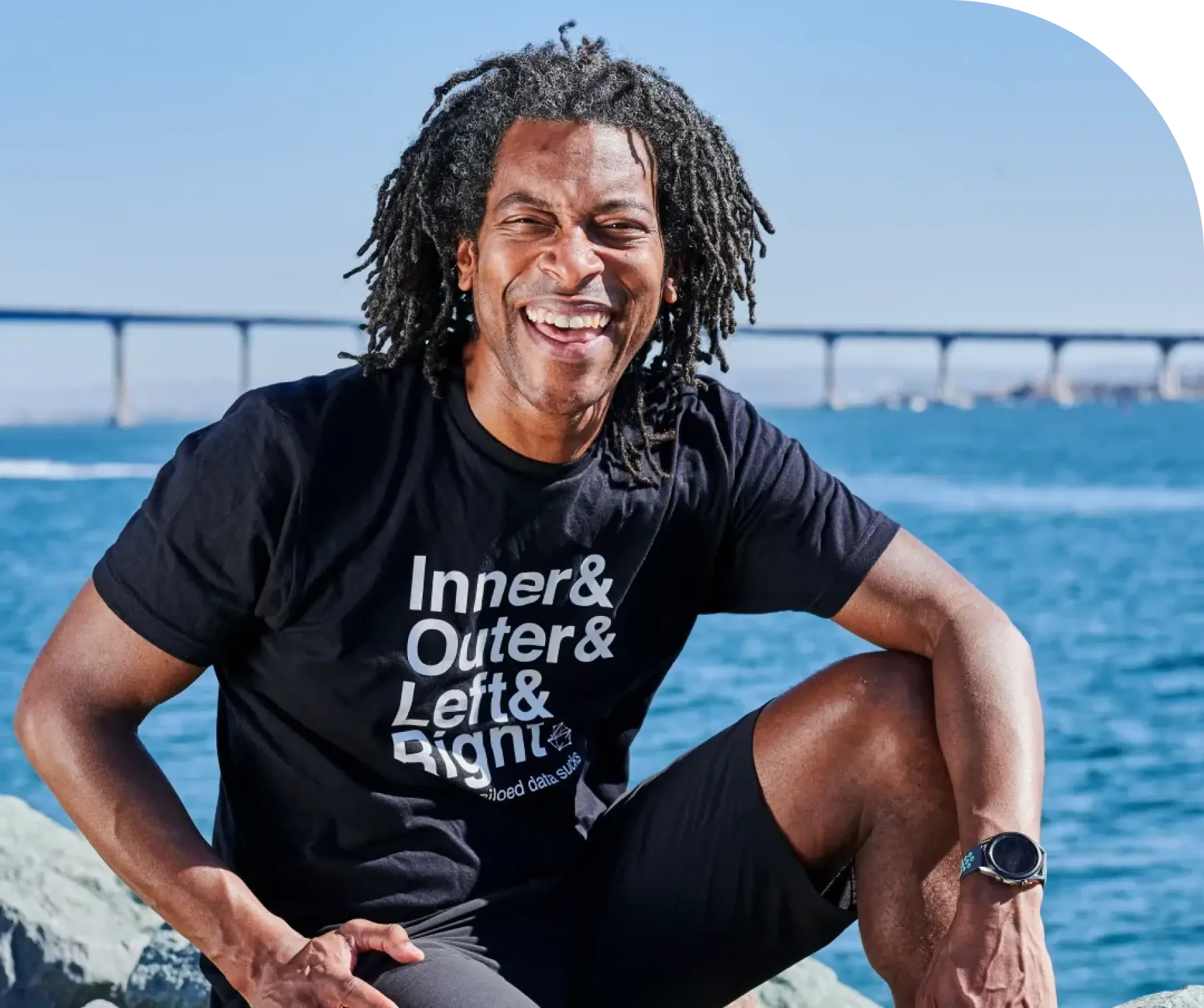
Wil and Alisa Scharf at Seer Interactive are among the first practitioners to systematically test what gets brands cited in ChatGPT Search. Seer's AI Information page is one of the earliest documented examples of using a structured brand instruction page to influence AI-generated responses.
Their work on AI search measurement, tracking which content drives LLM citation, is practically useful rather than theoretical.
Follow: LinkedIn, @wilreynolds, Seer Interactive blog.
Steve Toth

SEO Notebook. Steve surfaces emerging tactics faster than almost anyone and traces them back to original sources rather than letting ideas circulate without attribution.
He spotted and documented the AI Instructions page mechanic early. High signal-to-noise ratio for practitioners who want to know what is working before it becomes industry consensus, not after.
Follow: SEO Notebook newsletter, @stevetoth.
Entity SEO and Knowledge Graphs
Jason Barnard
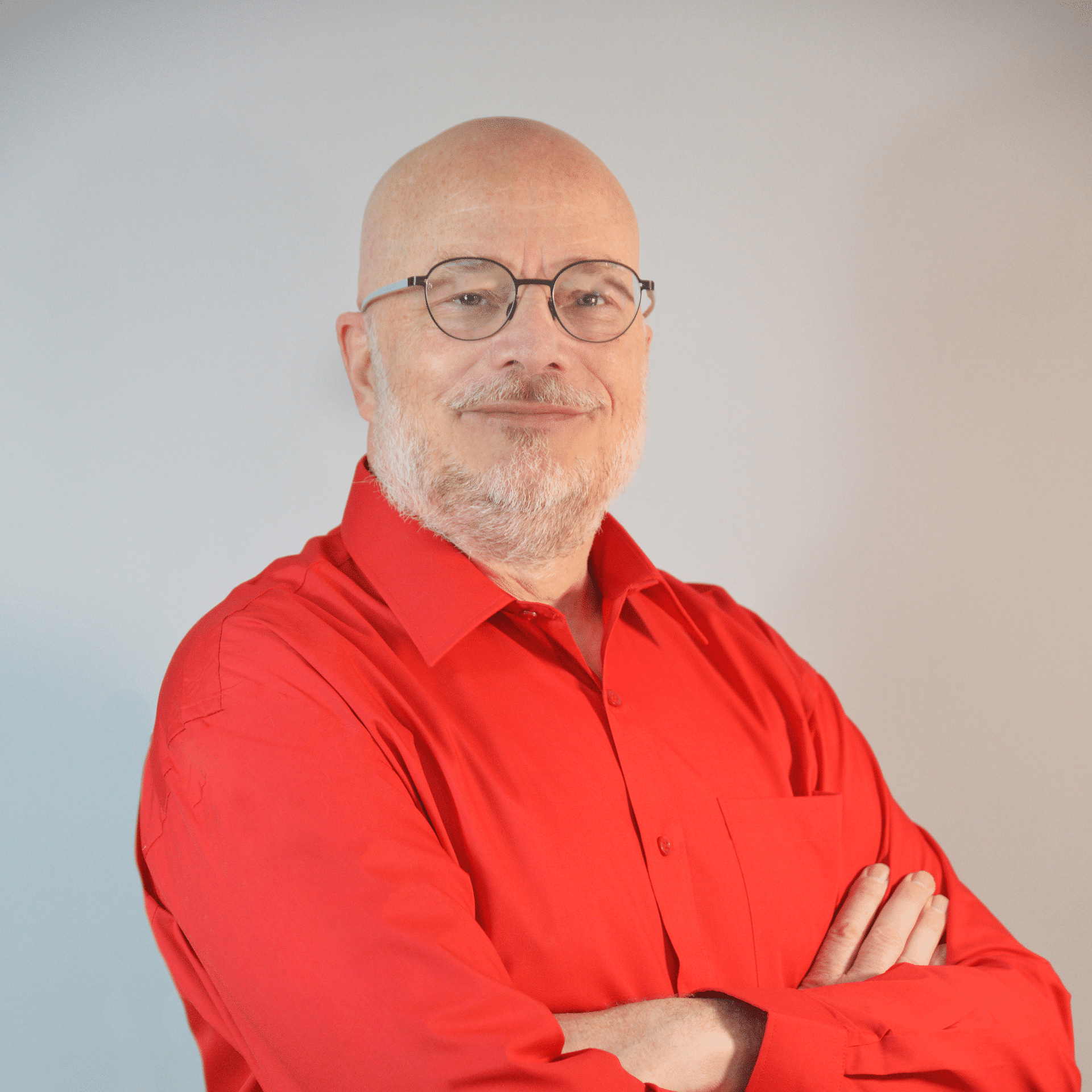
The clearest thinker on entity authority and how AI systems build a mental model of who a brand is. Jason's framework starts before optimisation: get AI systems to understand who a brand is before you optimise for what you want them to say. That sequencing is important and most practitioners skip it.
His database of brand SERP tests gives practitioners real data on how Google and LLMs interpret entity signals across industries. He has been in this space longer than most.
Follow: LinkedIn, @jasonmbarnard, Kalicube newsletter.
Dixon Jones

InLinks founder and co-creator of the EntityMap v1.0 standard. If you want to understand how AI systems build entity graphs and why structured entity data matters for AI search citation, Dixon is the right person to follow.
His work on the EntityMap specification is directly relevant to the next generation of AI visibility signals. Most of what the industry will be talking about in 2027, he is already working on.
Follow: LinkedIn, @Dixon_Jones.
Technical AI Search
Britney Muller

The most technically rigorous voice at the intersection of machine learning and SEO. Britney explains how language models actually work, not the surface-level "AI is changing SEO" takes, but the underlying mechanisms of how transformers process and retrieve information.
Essential for understanding why certain content structures get cited and others do not. If you want to know the mechanics behind GEO frameworks, she is the starting point.
Follow: LinkedIn, @BritneyMuller.
Newsletters Worth Reading Weekly
- Growth Memo (Kevin Indig): Deep AI search research, weekly. Best newsletter in the space.
- SEOFOMO (Aleyda Solis): Weekly roundup, best breadth and curation of what is new across AI and traditional search.
- Search Engine Land: Daily trade coverage. Reliable and fast.
- Soaring Above Search: My fortnightly newsletter on AI citation mechanics, APAC-specific data, and live tests running on this site. Written from the StudioHawk 100-brand dataset.
Who Is Missing from This List
There are good practitioners at agencies doing real AI search work but not publishing it publicly. The people publishing findings openly are the ones on this list.
No one yet publishes consistent data specifically on Perplexity citation patterns. When they do, they will make this list. That gap is real and worth watching.
The honest caveat: AI search moves fast enough that anyone's relevance can change within a few months. Check when someone last published before assuming they are still actively in the space. This list is reviewed quarterly.
FAQ
How often is this list updated?
Quarterly. The AI search space moves fast and the practitioners doing original work change. This list was last reviewed in May 2026. If someone has gone quiet or a new voice has emerged with real data, they will be added or removed on the next review.
What platform is best for following AI SEO news?
LinkedIn for real-time practitioner takes. The newsletter stack for synthesised research: SEOFOMO for breadth, Growth Memo for depth. X still surfaces breaking news first but the signal-to-noise ratio has dropped. Choose based on how much filtering you want to do yourself.
Are there Australian AI SEO experts worth following?
Not many publishing original findings yet. Most Australian SEO practitioners are applying AI search frameworks from US sources rather than generating data. That is the gap I am trying to fill with the StudioHawk dataset and this site. For APAC-specific AI search data and Australian market context, Soaring Above Search is the closest thing to a dedicated resource.
What makes someone worth following for AI SEO specifically?
One filter: are they publishing original data, not just commentary on other people's research? That cut removes about half the popular names. Secondary filter: have they updated their thinking in the last three months? AI search in early 2025 looks nothing like AI search in mid-2026. Anyone still citing 2024 frameworks without qualification is not actively working in the space.
Soaring Above Search
Weekly AI search insights from the front line. One newsletter. Six sections. Everything that actually moved this week, with a practitioner's take.
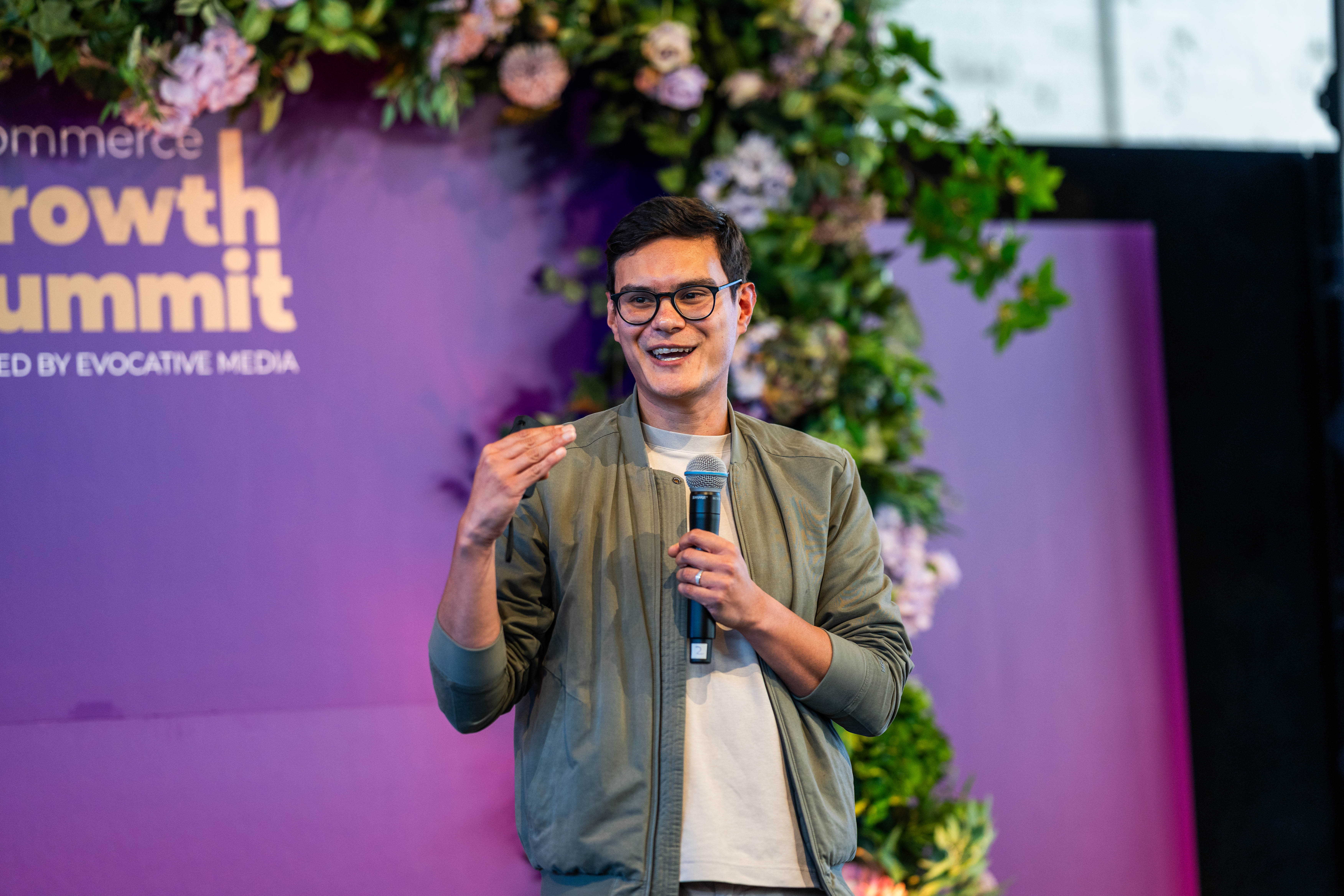
AI SEO consultant and AI search consultant helping brands appear in AI Overviews, AI Mode and ChatGPT. Chief of Staff at StudioHawk, Australia's largest dedicated SEO agency. Runs a measured three-channel playbook: Google, Bing and AI citations. Book a free consultation →